



By Joshua Otieno | April 18, 2026
NAIROBI, KENYA — Government Spokesperson Isaac Mwaura has defended the Government-to-Government (G-to-G) fuel import model, stating that it has brought stability, predictability, and affordability to Kenya’s petroleum sector.
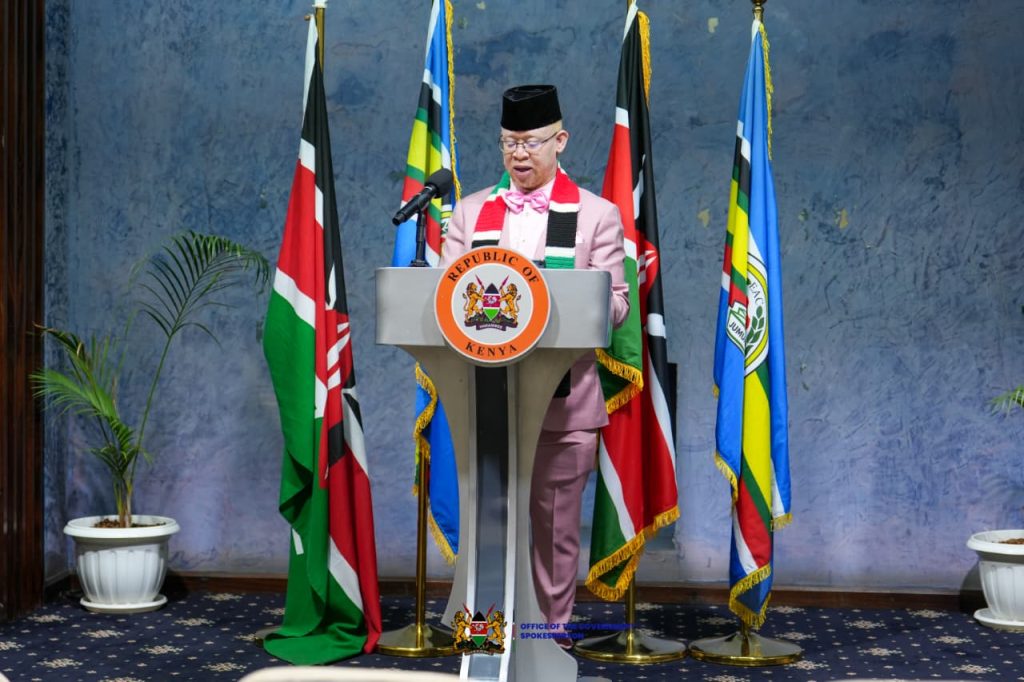
Speaking during a press briefing at Harambee Annex on Thursday, April 16, Dr. Mwaura said the G-to-G system was introduced to address a fuel crisis inherited in 2022, characterized by shortages, price volatility, and a severe shortage of US dollars.
He explained that the previous spot market system allowed manipulation by middlemen, leading to artificial shortages and increased demand for foreign currency.
“The G-to-G arrangement allows direct procurement from major global suppliers such as Saudi Aramco, ADNOC, and ENOC, ensuring better pricing and structured import schedules,” Mwaura said.
He noted that the model has ensured a steady supply of fuel over the past three years, while also reducing pressure on the Kenyan shilling by minimizing speculative dollar demand.
According to Mwaura, the improved fuel supply chain has contributed to lower inflation, stronger foreign exchange reserves, and enhanced macroeconomic stability.
Addressing concerns around specific shipments, including the MV Paloma cargo, he clarified that it was an isolated case and was excluded from pricing calculations to protect consumers from higher costs.
On measures to cushion Kenyans from rising global fuel prices, Mwaura outlined several government interventions, including the use of a KSh 6.2 billion stabilization fund through the Petroleum Development Levy.
He added that the government had reduced VAT on petroleum products from 16 percent to 8 percent and continues to provide targeted subsidies to keep pump prices manageable.
“Without these interventions, diesel prices would have exceeded KSh 230 per litre,” he noted.
Mwaura emphasized that while fuel levies remain in place, they are essential for funding infrastructure development, particularly road projects aimed at reducing long-term transport costs and supporting economic growth.
The government maintains that the G-to-G model remains a key pillar in safeguarding Kenya’s energy security amid ongoing global market uncertainties.