


By Joshua Otieno | April 12, 2026
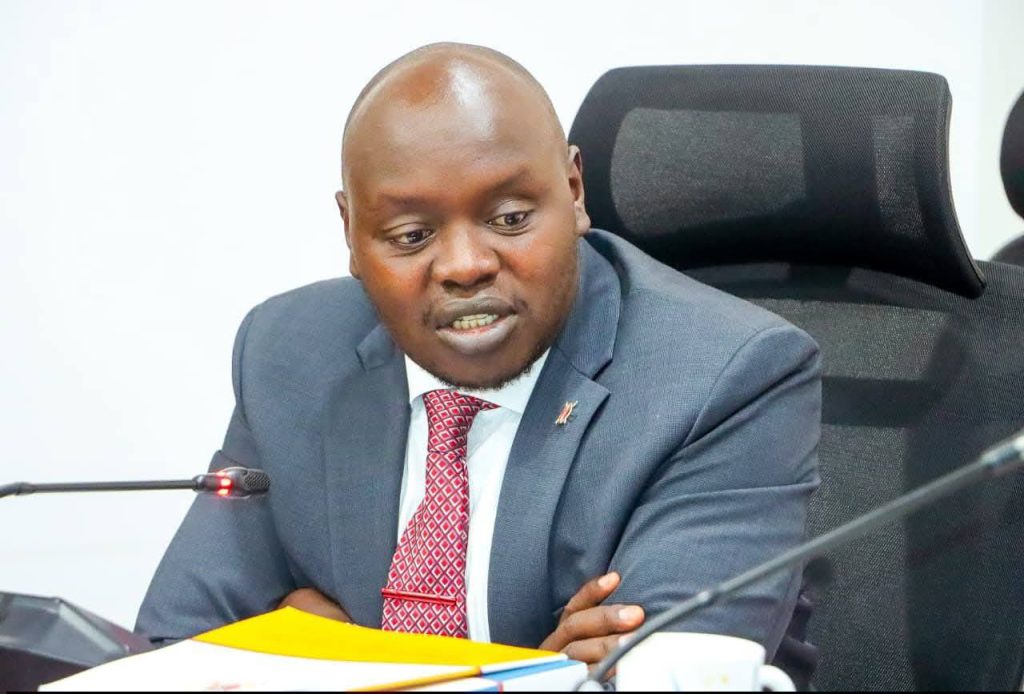
NAIROBI, KENYA — Nandi Senator Samson Cherargei has called for the immediate arrest of former Deputy President Rigathi Gachagua, accusing him of orchestrating violent unrest that disrupted parts of Kikuyu on Saturday.
In a strongly worded statement issued on April 11, Cherargei alleged that the chaos, which saw sections of the Southern Bypass blocked and businesses looted, was a coordinated effort rather than spontaneous violence.
“Gachagua is a modern political conman that thrives in violence, intimidation, blackmail, brinkmanship, and balkanization of the country,” Cherargei said, urging security agencies to take action against those responsible.
The unrest brought traffic to a standstill along key routes, including the Gitaru–Kikuyu Interchange, after groups reportedly used trailers and burning debris to barricade roads. Witnesses also reported incidents of looting targeting commercial vehicles and nearby businesses.
The accusations add to a growing political dispute, with Interior Cabinet Secretary Kipchumba Murkomen having earlier directed police to pursue individuals suspected of financing or organizing criminal gangs.
However, leaders allied to Gachagua have rejected the claims, maintaining that the violence was orchestrated by state-linked actors to disrupt a planned rally by the Democracy for Citizens Party (DCP).
The opposition has further accused security agencies of failing to protect civilians, alleging that police response came only after significant damage had already occurred.
Meanwhile, the National Police Service has maintained heightened patrols in Kikuyu and along the Southern Bypass, where normal traffic has since resumed following the clearance of barricades.
The Directorate of Criminal Investigations (DCI) has also been drawn into the matter, having summoned several political aspirants over alleged plans linked to the unrest, a move that has sparked criticism from opposition figures.
Civil society groups have since moved to court, challenging both the police response and directives issued by the Interior Ministry, arguing that they risk undermining constitutional protections.
The situation remains politically charged, with competing narratives from government officials and opposition leaders continuing to shape the unfolding developments.