


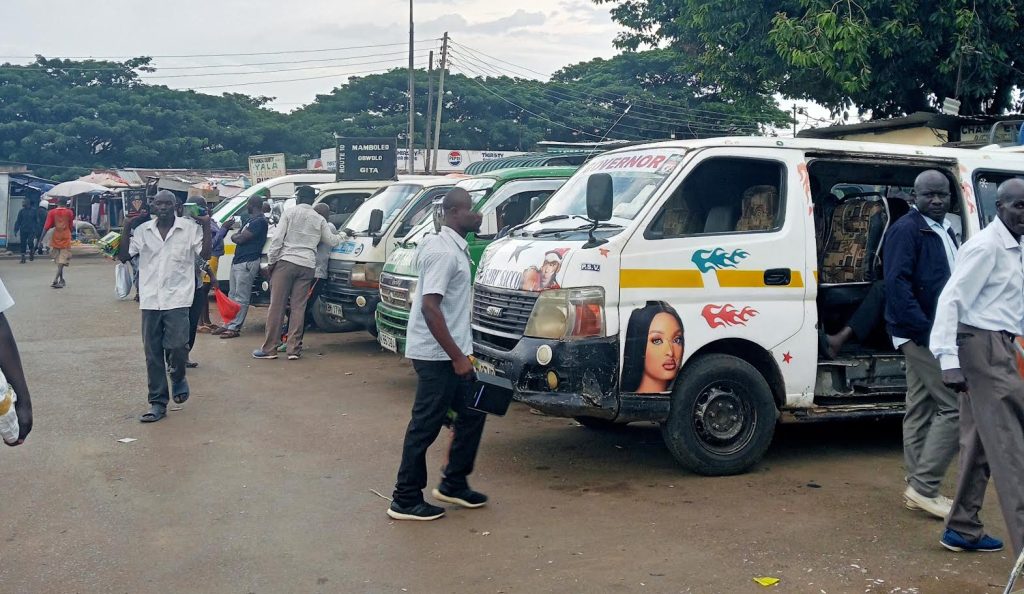

As fuel prices continue to spark concern across the country, tension is mounting within the public transport sector after the Matatu Workers Union announced a hardline stance that could disrupt daily operations in the industry.
The union has declared that its members will now prioritize paying themselves first before purchasing fuel or remitting daily collections to matatu owners, citing unbearable operational costs and shrinking profit margins caused by fluctuating fuel prices.
According to the workers, the rising cost of fuel has made it increasingly difficult for conductors, drivers, and stage attendants to earn a decent income after meeting daily vehicle expenses and owner demands. They argue that despite long working hours and increasing pressure to meet daily targets, their take-home pay has been consistently eroded by the unstable fuel market.
“We can no longer work at a loss while fuel prices keep going up. From now on, our earnings will come first before anything else, including fuel and remittances,” the union leadership stated, warning that the decision reflects growing frustration among workers in the sector.
The announcement has sparked concern among matatu owners and stakeholders in the transport industry, who fear the move could lead to financial disputes, reduced fleet operations, and possible fare instability for commuters already grappling with high living costs.
Industry observers warn that if the standoff escalates, it could disrupt transport services in major urban centers, especially during peak hours when commuter demand is high. They are now calling for urgent dialogue between matatu operators, workers, and relevant authorities to avert a potential crisis.
The dispute highlights the wider economic pressure facing Kenya’s transport sector, where fuel prices remain a key driver of operational costs and ongoing tensions between labor and management continue to simmer.
As the situation unfolds, commuters are left watching closely, concerned that the disagreement could translate into higher fares or reduced availability of public transport in the coming days.