


By Joshua Otieno | April 17, 2026
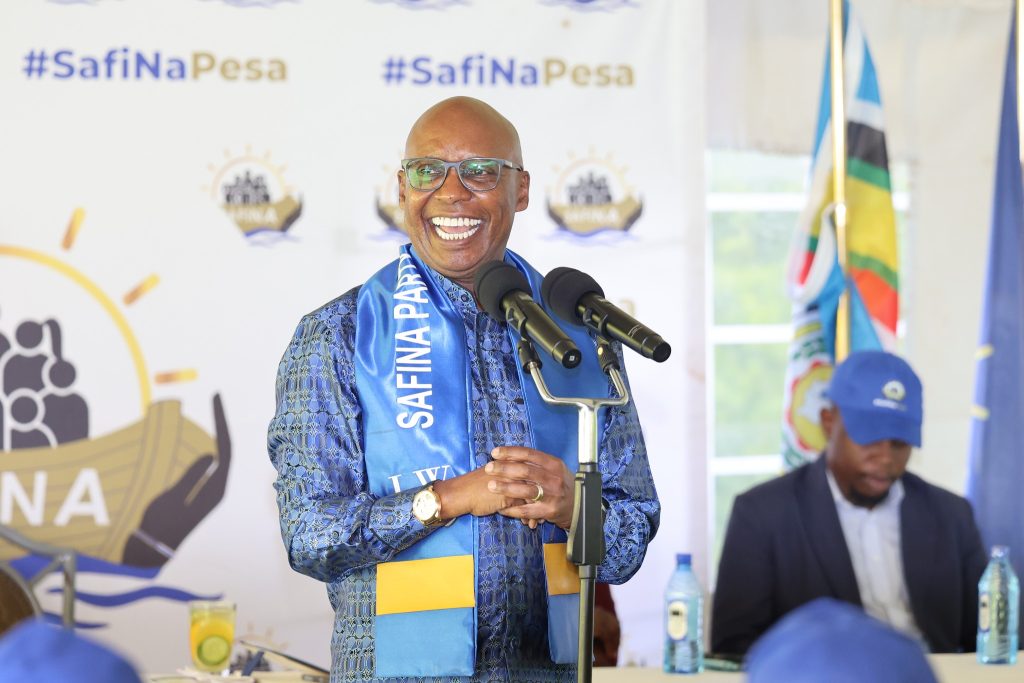
NAIROBI, KENYA — Safina Party leader Jimi Wanjigi has launched a sharp critique of President William Ruto’s administration, accusing it of implementing deceptive fiscal policies and burdening citizens through what he termed as “parallel taxation.”
In a statement released on Friday, Wanjigi claimed that the Kenya Kwanza government is disguising tax increases through alternative revenue mechanisms such as the Housing Fund and securitization programs.
“This is a government that has pretended they’re not raising taxes, but they’re giving us parallel taxation through funds, through securitization, through the housing fund,” Wanjigi said. “When you now have a fuel increase, you’re just adding more pain.”
He further described the administration as prioritizing international creditors over the welfare of ordinary Kenyans, labeling the President a “debt collector” for foreign lenders.
Economic Pressure Mounts
Wanjigi’s remarks come against the backdrop of rising economic concerns, following a recent fuel price hike announced by the Energy and Petroleum Regulatory Authority. The increase, particularly on diesel, has triggered public outcry as transport and commodity costs continue to surge across the country.
Although the government has introduced measures such as a temporary reduction of VAT on petroleum products, critics argue that these interventions offer only short-term relief without addressing underlying structural challenges.
Concerns Over Fiscal Strategy
The Safina Party leader also raised alarm over the government’s growing reliance on securitization—borrowing against future revenues—warning that it could expose the country to long-term financial risks.
He cautioned that upcoming budgetary plans may introduce even more aggressive fiscal measures, urging greater transparency and accountability in public finance management.
The criticism adds to an intensifying national debate over taxation, public debt, and the broader direction of Kenya’s economic policy as the government prepares its next budget cycle.