



By Brian Said Iha | July 9, 2026
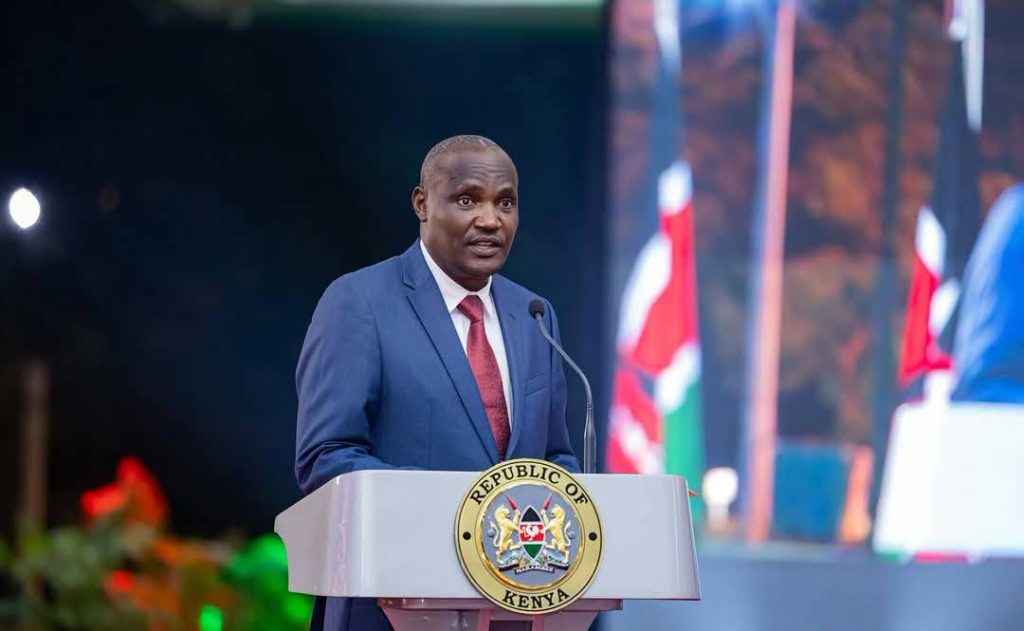
National Treasury Cabinet Secretary John Mbadi has appointed six members to the inaugural board of the newly established National Infrastructure Fund (NIF), marking a key step in the operationalization of the government’s flagship infrastructure financing vehicle.
The appointments were published in a Special Issue of the Kenya Gazette dated July 8, 2026, and take effect immediately. The six board members will serve a three-year term, during which they will oversee the establishment and management of the fund.
The newly appointed board comprises James Mworia Mwirigi, the Managing Director and Chief Executive Officer of Centum Investment Company; Lawrence Kibet, Director General for Public Investments and Portfolio Management at the National Treasury; Fahima Ali Ahmed Zein, a corporate governance professional; Christopher Kibui Maranga, appointed under the infrastructure development provisions of the Act; Latoya Ouna, a strategic funding expert; and Mohammed Abdirahman Hassan, a specialist in finance and investments.
The board’s first major responsibility will be to competitively recruit the fund’s Chief Executive Officer, who will oversee the day-to-day operations of the institution. It will also develop governance structures, establish investment policies and ensure the fund becomes fully operational.
Beyond recruitment, the board has been tasked with identifying, financing and monitoring strategic national infrastructure projects expected to drive Kenya’s long-term economic growth. The fund is intended to provide sustainable financing for large-scale projects while reducing dependence on expensive external commercial borrowing.
Among its key responsibilities will be managing the fund’s initial capital base. The government has earmarked KSh103.45 billion generated from the sale of a stake in the Kenya Pipeline Company as seed capital. The fund is also expected to receive an estimated KSh200 billion from the planned partial divestiture of the state’s shareholding in Safaricom, significantly boosting its investment capacity.
Established under the National Infrastructure Fund Act, 2026, the NIF represents a shift in Kenya’s infrastructure financing strategy from debt-driven development to an investment-led model that seeks to mobilize both public and private capital.
The government envisions the fund as a platform capable of attracting investments from pension funds, institutional investors, development finance institutions and other private sector players interested in financing commercially viable public infrastructure.
Officials say the new financing model is expected to support the implementation of an ambitious KSh5 trillion national infrastructure programme over the next decade without placing additional pressure on the country’s public debt.
Priority projects expected to benefit from the fund include the expansion of Jomo Kenyatta International Airport (JKIA), the extension of the Standard Gauge Railway (SGR) to Malaba, as well as investments in roads, energy, water, logistics and other strategic infrastructure designed to enhance Kenya’s regional competitiveness.
The establishment of the National Infrastructure Fund forms part of broader government efforts to diversify sources of development financing, strengthen public-private partnerships and accelerate the delivery of transformational infrastructure projects critical to achieving long-term economic growth.