


By Mumo Judah | May 29, 2026
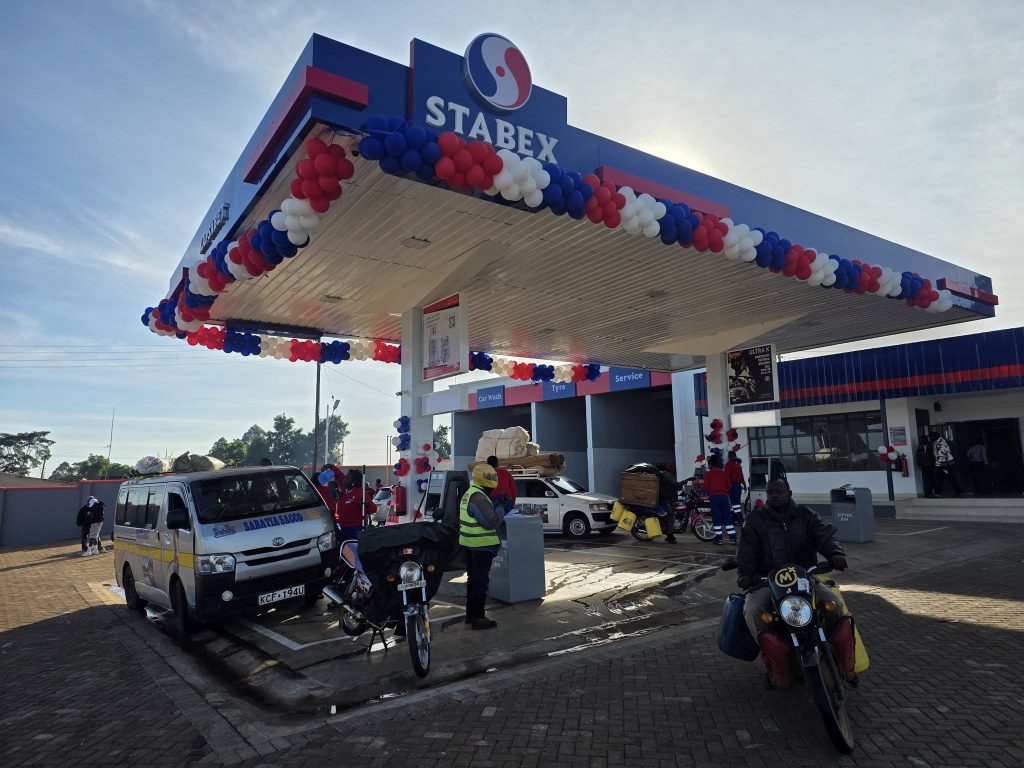
Stabex International has officially secured a major diesel supply contract worth Sh458 million from Kenya Power after the Public Procurement Administrative Review Board dismissed a challenge filed by Rubis Energy Kenya over the tender award process.
The ruling now clears the way for Stabex International to proceed with the supply of diesel to Kenya Power, ending a procurement dispute that had temporarily slowed down the finalization of the contract.
According to tender documents, Rubis Energy had submitted a bid amounting to Sh542 million while Stabex International emerged as the lowest evaluated bidder with a quotation of Sh458 million, creating a price difference of approximately Sh84 million between the two competing firms.
The Public Procurement Administrative Review Board dismissed Rubis Energy’s application after reviewing the procurement process and the tender evaluation conducted by Kenya Power. The decision effectively upheld the utility company’s award to Stabex, affirming that the procurement process met the required legal and competitive standards.
The outcome marks a significant win for Stabex International, which continues to strengthen its position within Kenya’s highly competitive petroleum and energy supply sector. The company has been expanding its operations across fuel importation, storage and distribution while aggressively competing for major government and institutional contracts.
Industry players say the Kenya Power deal is strategically important due to the scale of fuel demand required to support electricity generation, operational logistics and backup systems within the country’s energy infrastructure.
Kenya Power relies on diesel supplies for various operational needs, including supporting thermal generation plants during periods of high electricity demand, power shortages or instability in hydroelectric production caused by changing weather patterns.
The procurement also comes at a time when Kenya’s energy sector is under growing pressure to improve efficiency, reduce operational costs and stabilize electricity supply amid rising demand from households, businesses and industrial consumers.
Analysts note that the large difference between the bids submitted by Stabex and Rubis likely played a major role in the final evaluation, particularly as public institutions continue facing increased scrutiny over spending and value-for-money considerations in government procurement.
The case further highlights the intense competition among oil marketers seeking to secure long-term government contracts as petroleum companies battle for market share in an industry facing fluctuating global fuel prices, changing tax structures and evolving energy policies.
For Kenya Power, the resolution of the procurement dispute removes uncertainty surrounding the fuel supply arrangement and allows the company to focus on operational planning without prolonged legal interruptions.
The ruling by the Public Procurement Administrative Review Board is also being viewed as an important test of Kenya’s public procurement oversight system, which has increasingly become central in resolving disputes involving high-value government tenders.
Observers say procurement appeals involving major state contracts have become more common as companies seek to protect commercial interests in a challenging business environment where government deals remain highly competitive and financially attractive.
With the dispute now settled, attention is expected to shift toward implementation of the contract, fuel delivery schedules and the broader impact the deal could have on Kenya Power’s operational stability and cost management strategy in the coming months.
The development is likely to further intensify competition within Kenya’s petroleum sector as firms continue positioning themselves for future government and parastatal supply opportunities.