



By Mumo Judah | May 29, 2026
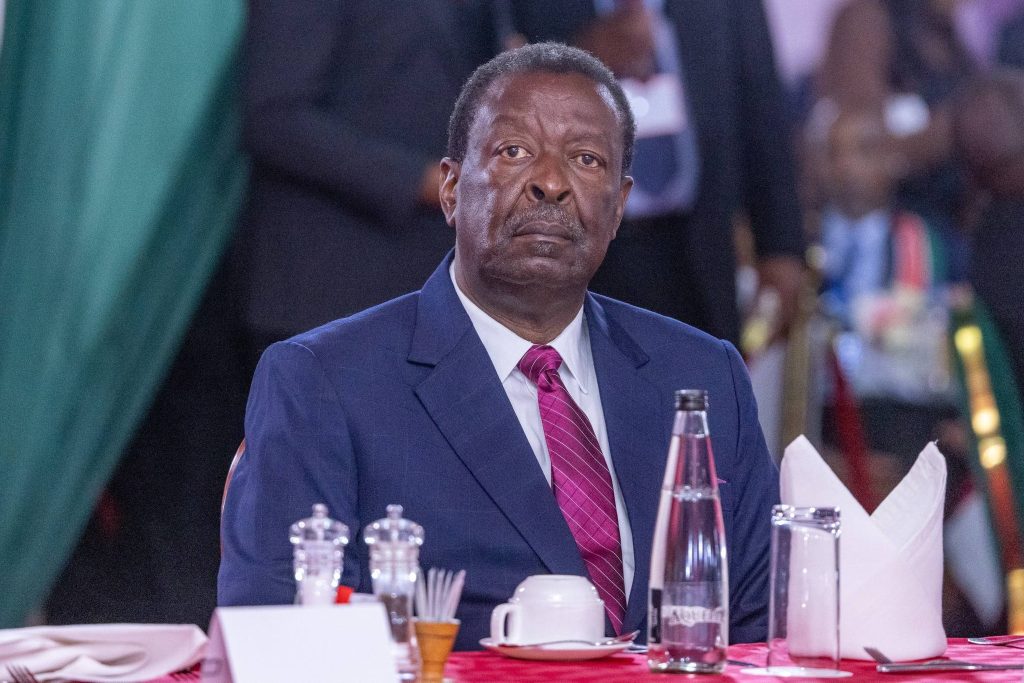
Prime Cabinet Secretary Musalia Mudavadi has sought to calm growing public anxiety over Ebola preparedness measures, insisting that the government will not expose Kenyans to unnecessary danger as authorities heighten surveillance and emergency response systems across the country.
Mudavadi defended the government’s strategy amid widespread debate surrounding reports that the United States plans to establish an Ebola quarantine and monitoring facility at the Laikipia Air Base for Americans exposed to the virus in affected parts of Central Africa.
“We cannot be so stupid as to bring Ebola to Kenya. We are putting measures in place to protect the country,” Mudavadi said, emphasizing that the country’s priority remains the protection of public health and national safety.
The remarks come at a time when Kenya has heightened alertness following renewed Ebola outbreaks within the region, particularly in parts of the Democratic Republic of Congo. Although Kenya has not recorded any confirmed Ebola case, health officials say the risk posed by regional movement and international travel has forced the government to strengthen preparedness efforts before any possible exposure occurs.
The proposed quarantine arrangement has generated mixed reactions among Kenyans, with some questioning why the country should host a facility linked to Ebola response despite having no active infections. Others have raised concerns about the safety of nearby communities and the potential strain on the country’s health systems.
Government officials, however, insist the facility would operate under strict international health and containment standards designed to prevent any public exposure. Authorities say the move forms part of broader global cooperation in disease surveillance and emergency response.
As concerns continue to grow, the Ministry of Health has intensified screening and monitoring operations at airports, land border crossings and selected health facilities. Frontline healthcare workers are also undergoing additional preparedness training while emergency response units remain on standby in case of suspected infections.
The government says Kenya’s experience during the COVID-19 pandemic helped strengthen the country’s ability to respond to infectious disease threats through improved surveillance systems, emergency coordination and increased medical preparedness capacity.
Mudavadi further appealed to Kenyans to remain calm and avoid spreading misinformation, warning that fear and panic could undermine ongoing preparedness efforts. He stressed that preventive action remains critical in protecting the country from cross-border health threats.
The debate over the proposed quarantine facility is expected to continue as citizens demand more transparency and assurances from authorities regarding safety protocols and the country’s long-term health security strategy.
Even so, government officials maintain that Kenya remains fully committed to ensuring the virus does not spread within its borders while continuing to cooperate with international partners in global disease control efforts.