



By Gran Chico October, 2, 2026
Learning has stopped in most of Kenya’s public universities after lecturers and support staff began a nationwide strike today, Friday, October 2, 2026, over unpaid dues and a pay deal that has dragged on for months.
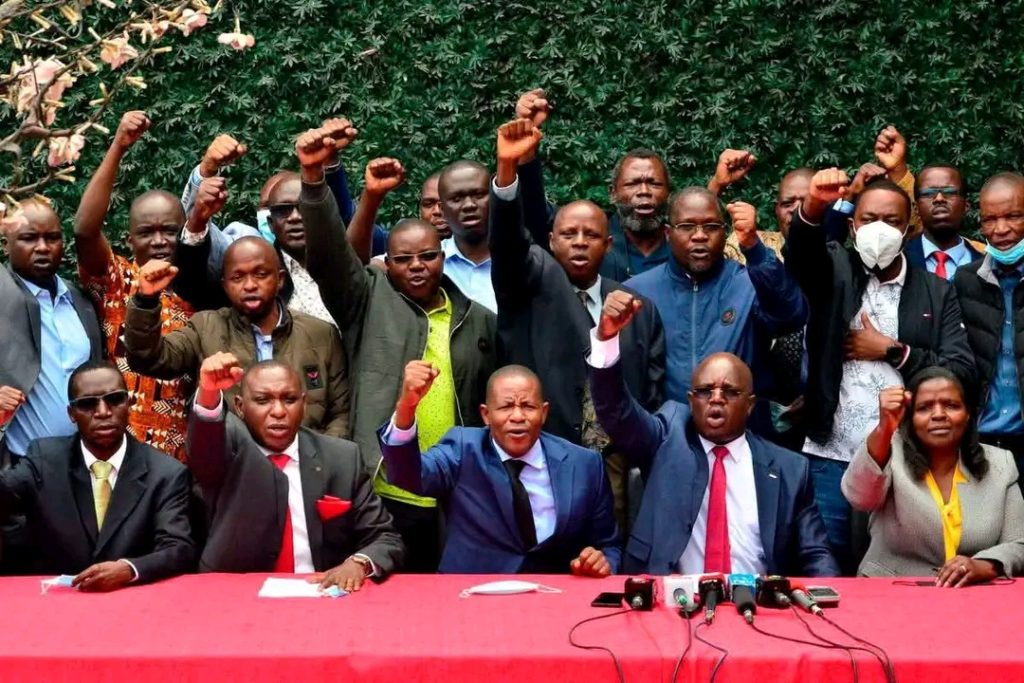
Members of the Universities Academic Staff Union (UASU), the Kenya University Staff Union (KUSU) and the Kenya Union of Domestic, Hotels, Educational Institutions, Hospitals and Allied Workers (KUDHEIHA) stopped work at midnight. This followed the collapse of last-minute talks with the Inter-Public Universities Councils Consultative Forum (IPUCCF).
The unions turned down an offer of a 4 percent annual pay rise. They say it falls short because inflation is running above 6 percent.
At the heart of the standoff is the 2025–2029 Collective Bargaining Agreement (CBA), which is yet to be signed. The unions accuse university councils, the Ministry of Education and the National Treasury of breaking a Return-to-Work Formula agreed on November 5, 2025, which ended the last strike. They note that other workers in the education sector have already concluded their agreements, while university staff remain without one.
The unions are demanding:
A written promise that the CBA will be paid for by the National Exchequer, and not passed on to struggling universities or to students through higher fees.
Aligned allowances, better car loan and mortgage terms, and a salary structure that matches the rising cost of living.
An end to moves they say are meant to weaken the public-officer status of lecturers.
A solution to the wider funding crisis. The unions say government owes public universities about KSh 100 billion.
UASU Secretary-General Dr Constantine Wasonga called the strike painful but necessary. He said universities are short of staff, overworked and practically insolvent because government money has come late for years.
Lecture halls, exam rooms and research work are expected to stay idle until the dispute is settled. The timing is bad for first-year students, who have just started the new academic year. Fake notices announcing campus closures spread earlier in the week, and several institutions dismissed them and told students to rely only on official communication.
This is not the first time. Past strikes over unpaid CBA arrears have shut down learning for weeks or even months and delayed graduations. Union leaders are calling this one the biggest yet and say they will not back down until a fully funded deal is signed.
Pressure is now on government and university managements to return to the table with a clear funding commitment. Without quick progress on the CBA and firm Exchequer backing, the disruption to teaching, research and students’ progress is likely to worsen in the coming days.