



By Erestinah Jane | July 6, 2026
Interior Cabinet Secretary Kipchumba Murkomen has launched a blistering attack on former Deputy President Rigathi Gachagua, accusing him of promoting divisive politics and sponsoring criminal gangs for political gain, as political tensions ahead of the 2027 General Election continue to escalate.
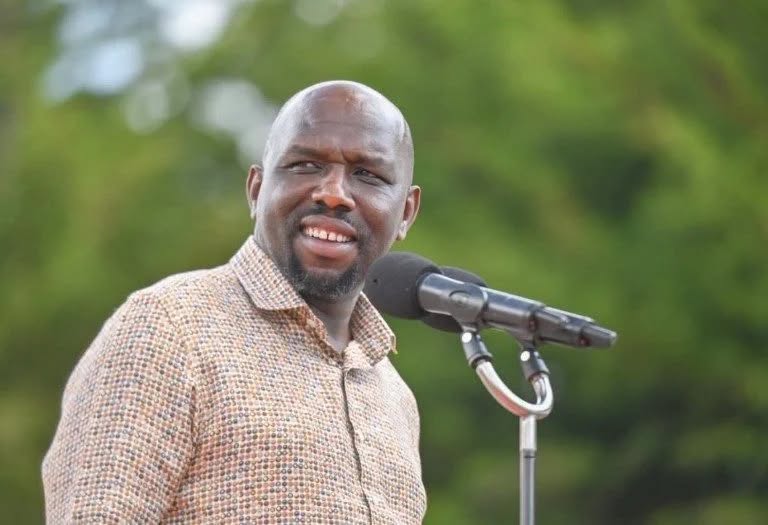
Speaking during an economic empowerment event at Kaptilol Grounds in Elgeyo-Marakwet County, Murkomen described Gachagua as the father of violence and alleged that the former Deputy President was employing inflammatory political tactics capable of undermining national cohesion and public security.
The Interior CS said his ministry would remain vigilant against individuals he accused of inciting unrest, declaring that one of his priorities leading up to the 2027 polls would be to closely monitor Gachagua, who now leads the Democracy for the Citizens Party (DCP).
Murkomen alleged that Gachagua had resorted to divisive rhetoric and was using criminal gangs to advance his political agenda, although he did not publicly present evidence to support the claims during his address.
The Cabinet Secretary urged political leaders to exercise restraint in their public statements and conduct their campaigns peacefully, emphasizing that security agencies would not tolerate actions that threaten law and order or endanger the country’s stability.
His remarks come amid heightened political activity across the country as parties and prospective presidential candidates intensify grassroots mobilization ahead of the next General Election. The increasingly charged political environment has seen leaders exchange sharp criticism over governance, leadership and campaign strategies.
Gachagua, who has been holding a series of consultative meetings at his Wamunyoro residence and across various regions, has positioned himself as a key opposition figure while advocating for what he describes as the formation of a Sixth Administration. His engagements have focused on building grassroots support and forging alliances ahead of the 2027 elections.
Murkomen’s latest remarks add to the growing war of words between leaders aligned with the Kenya Kwanza administration and members of the opposition, reflecting the intensifying political contest for influence in the run-up to the elections.
As of the time of publication, Gachagua had not publicly responded to Murkomen’s latest accusations. The allegations remain political claims, and no court has found him liable for sponsoring criminal gangs or engaging in violence.
The exchange underscores the increasingly combative nature of Kenya’s political landscape, with observers expected to closely monitor whether the heightened rhetoric translates into broader campaign issues or prompts further responses from rival political camps.