


By Sherphine Oduor | October 9, 2026
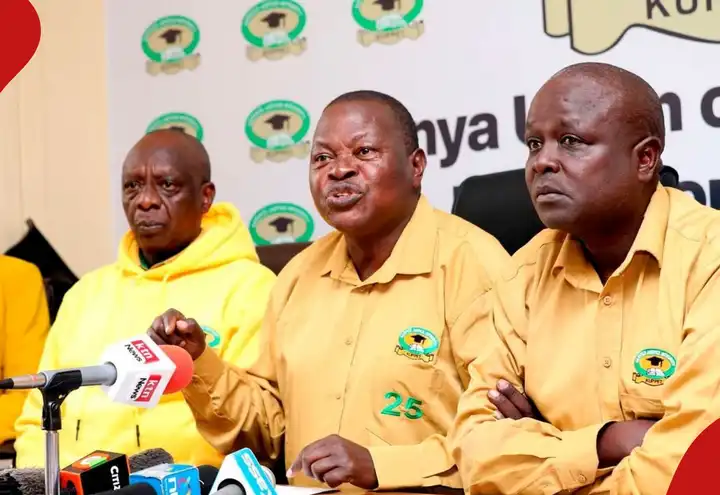
The Kenya Union of Post-Primary Education Teachers (KUPPET) has threatened to withdraw its members from administering and marking the 2026 national examinations unless the government addresses concerns over teachers’ allowances and working conditions.
Led by Secretary-General Akello Misori, the union is demanding a review of payments made to teachers contracted by the Kenya National Examinations Council (KNEC) to oversee examinations, including invigilation, supervision, centre management and script marking.
The proposed boycott could affect the Kenya Primary School Education Assessment (KPSEA), the Kenya Junior School Education Assessment (KJSEA) and the Kenya Certificate of Secondary Education (KCSE), raising concerns about the smooth administration of this year’s examinations.
KUPPET has petitioned the Salaries and Remuneration Commission (SRC) to review the remuneration structure, arguing that current rates do not adequately reflect the workload and responsibilities assigned to teachers during the examination period.
“We want to remind the SRC to be on the frontline to safeguard the rights of the teachers or workers who undertake such projects,” Misori said.
The union has also criticised the disparity in payments for examination duties, with Misori questioning why professionally trained teachers responsible for managing examination centres could earn less than workers in other sectors.
KUPPET is pushing for a review of script-marking rates, including a proposed uniform payment of Sh100 per script. The union argues that the existing rates are inadequate given the time and effort required to mark national examination papers.
Beyond remuneration, the union has raised concerns about accommodation and sanitation at examination marking centres, where teachers may spend extended periods away from their families. It wants improved living conditions and better facilities for personnel involved in the marking exercise.
Delayed payments for previous examination assignments have further heightened tensions, with the union seeking assurances that outstanding allowances will be settled and future payments made on time.
The standoff comes as KNEC prepares to administer examinations and assessments to 3,634,846 candidates across the country. The council has announced plans to engage 342,005 contracted professionals to facilitate the exercise, highlighting the scale of the workforce potentially affected by the dispute.
The 2026 examination season is scheduled to run from October 16 to November 20, according to KNEC. KPSEA and KJSEA assessments are scheduled to begin on October 26, while KCSE written examinations are expected to run from November 2 to November 20.
The union’s demands have placed pressure on the government and relevant agencies to resolve the remuneration dispute before the examinations gather momentum.
Meanwhile, the Ministry of Education has emphasised the need to protect examination integrity, with officials warning against malpractice and the use of emerging technologies to compromise the process.
The SRC is expected to play a key role in reviewing the remuneration concerns raised by KUPPET, as the commission advises the national and county governments on the pay and benefits of public officers.
KNEC has yet to announce a comprehensive revised payment framework addressing all the union’s demands.
With millions of candidates preparing for their examinations, a failure to reach an agreement could create logistical challenges for examination administration, supervision and marking. The extent of any disruption will depend on whether the union and the relevant government agencies reach a resolution before the affected duties begin.