



By Lincoln Ndegwa | October 9, 2026
The National Transport and Safety Authority (NTSA) has collected Sh37 million out of Sh234 million in instant traffic fines issued to motorists before court orders halted the expansion of its automated enforcement system.
NTSA Director General Nashon Kondiwa said motorists had paid only a fraction of the fines, leaving Sh197 million outstanding.
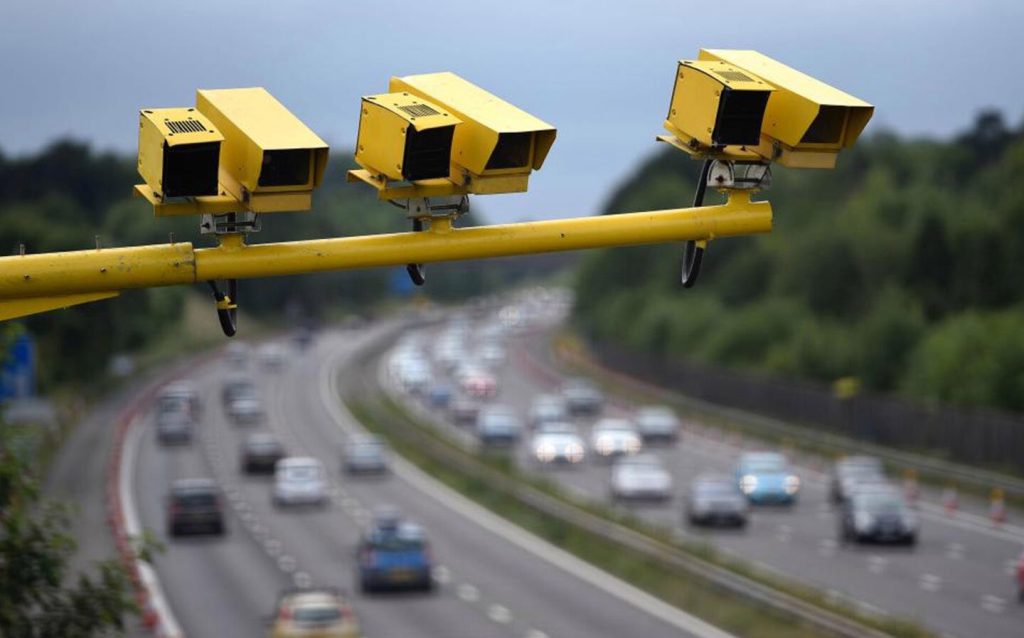
The figures come amid ongoing legal challenges over the system, which uses automated technology to detect traffic violations and issue penalties to motorists.
The proposed expansion has faced opposition from lobby groups and road safety organisations, which have questioned its constitutionality, enforcement procedures and the involvement of private companies in the programme.
One of the key challenges was filed by lobby group Sheria Mtaani alongside lawyer Shadrack Wambui. The petitioners argue that the automated fines system could violate motorists’ constitutional rights, particularly the right to fair administrative action and a fair hearing.
They have raised concerns over motorists receiving penalties without adequate prior warnings, human review of alleged violations or an accessible process for challenging errors.
The petitioners also question the procedures governing the collection and management of revenue generated through the fines.
Separately, the Road Safety Association of Kenya challenged a 21-year public-private partnership between NTSA and Pesa Print Limited, a consortium involved in the smart driving licence and automated enforcement project.
On May 29, 2026, the Kerugoya High Court issued conservatory orders suspending implementation of the partnership pending further court proceedings. The orders affected the rollout of the smart driving licence and automated fines project.
The payment process has also attracted scrutiny, particularly over the use of Kenya Commercial Bank (KCB) branches to receive payments rather than the centralised eCitizen platform.
NTSA has defended the banking arrangement, arguing that manual verification helps protect motorists from digital fraud and fraudulent text messages.
However, the payment arrangements have contributed to public debate over the accessibility and transparency of the system.
The outstanding Sh197 million represents the difference between the total fines issued and the amount motorists have paid, according to the figures attributed to Kondiwa.
The legal dispute has extended to allegations that NTSA continued implementing aspects of the system despite court orders suspending the public-private partnership.
Road Safety Association of Kenya chairman David Kiarie filed a contempt of court application against the authority and its Director General, alleging continued implementation of the system despite the orders.
The application seeks to have the court determine whether NTSA violated the suspension orders. The allegations remain subject to judicial determination.
Motorists have also raised concerns over the placement and visibility of speed-limit signs, arguing that unclear road signage could undermine the fairness of penalties issued through automated enforcement.
Despite the legal hurdles, NTSA is targeting November 26, 2026, as the possible date for resuming the instant fines rollout, subject to the resolution of the outstanding legal challenges.
NTSA Director of Road Safety Andrew Kiplagat said the programme remained on hold because of court cases challenging aspects of its implementation.
Speaking during a Citizen TV interview on October 5, Kiplagat said the authority was working to address the legal obstacles.
“NTSA is having a programme on instant fines, which again is not happening because of legal impediments because of court cases,” Kiplagat said.
He added that the authority hoped the challenges would be resolved in time to allow the programme to resume by the proposed date.
The authority says the system is intended to deter speeding and other traffic violations, improve compliance with traffic laws and enhance road safety.
However, its future implementation will depend on the outcome of the legal proceedings and any necessary changes to the regulatory framework.
As the cases continue, the dispute raises broader questions about how Kenya can strengthen traffic law enforcement while safeguarding motorists’ constitutional rights, ensuring transparency in public revenue collection and providing fair mechanisms for challenging penalties.