




By Saad Salim ,October 21, 2026
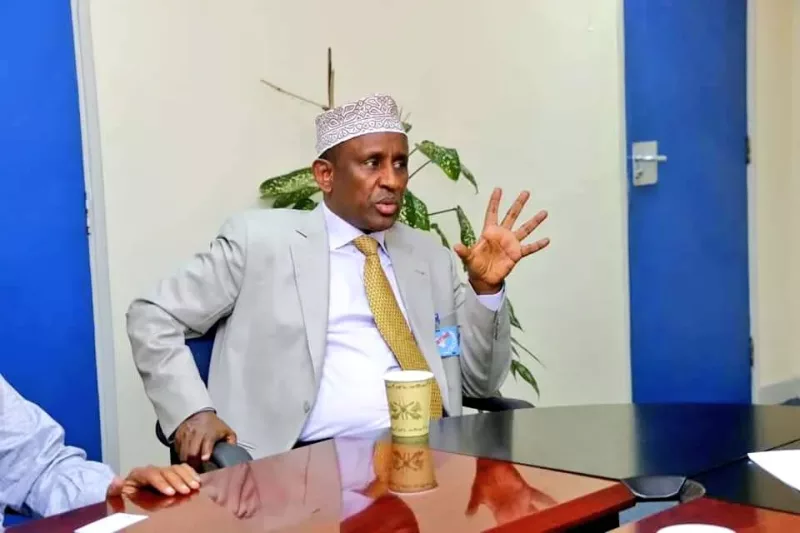
Former Garissa Governor Ali Bunow Korane has outlined water supply, improved healthcare services and support for youth-owned businesses as his top priorities should he return to office in the 2027 General Election.
Korane’s proposed agenda places essential public services and economic empowerment at the centre of his anticipated campaign, setting the stage for renewed debate over his development record and the performance of the county’s current administration.
The former governor, who served from 2017 to 2022, is seeking to reconnect with voters by highlighting issues that continue to affect households, pastoral communities and young people across Garissa County.
Access to reliable water remains a major development priority in Garissa, where recurrent drought, pressure on water infrastructure and the needs of pastoral communities continue to challenge service delivery.
During Korane’s previous administration, his government pursued borehole development and water supply projects aimed at improving access to water in underserved areas. One of the initiatives highlighted during his tenure was the Kasha Water Supply Project, launched in partnership with UNICEF.
If elected again, Korane will face expectations to explain how he intends to expand water infrastructure, maintain existing facilities and ensure that communities in remote areas receive a dependable supply.
Voters are also likely to demand clear implementation timelines, adequate funding and measurable targets rather than broad campaign promises.
Healthcare is another pillar of Korane’s proposed agenda. During his first term, his administration pursued improvements at Garissa County Referral Hospital, including the operationalisation of specialised services such as intensive care and renal care.
His administration also initiated plans for a cancer centre intended to improve access to specialised treatment and support within the county.
These initiatives form part of the record against which his proposed healthcare commitments are likely to be assessed.
However, the key question for voters is whether a new administration could improve the availability of medicines, staffing levels, medical equipment and access to quality treatment in facilities throughout the county.
The next phase of healthcare development will also require sustainable financing, effective management and stronger accountability in the use of public resources.
Youth unemployment and limited access to capital remain important concerns for many young people in Garissa.
During his previous tenure, Korane’s administration introduced a reported Sh150 million revolving fund intended to support businesses owned by young people, women and persons with disabilities through interest-free loans.
His renewed emphasis on youth enterprise suggests a focus on creating opportunities beyond conventional county government employment.
For such a programme to deliver lasting results, a future administration would need transparent beneficiary selection, accessible loan application procedures, proper monitoring and clear reporting on repayment and business growth.
Young entrepreneurs will also be looking for practical support in areas such as business training, market access, digital enterprise and the development of small and medium-sized businesses.
Governor Nathif Jama Adam returned to office after defeating Korane in the 2022 General Election. His administration has since faced expectations to strengthen healthcare, improve water infrastructure and promote economic development across the county.
Healthcare digitisation, investment promotion and efforts to address water infrastructure challenges have featured in discussions about the current administration’s priorities.
At the same time, questions surrounding county employment decisions and access to public services have remained politically sensitive.
A fair comparison between the two administrations requires verified information on completed projects, expenditure, service coverage and the results experienced by residents. Announced initiatives alone do not establish whether a government has delivered lasting improvements.
Korane’s previous record and Jama’s performance therefore remain central to the debate over which leadership approach can best address Garissa’s development needs.
Korane’s return bid also brings renewed attention to the challenges that marked his first term, including scrutiny over the management of public funds.
His administration faced an anti-corruption investigation involving allegations concerning a Sh233 million World Bank-funded urban infrastructure grant. Any discussion of the matter should distinguish allegations and court proceedings from proven wrongdoing and should reflect the latest verified legal status.
The issue is likely to remain relevant as voters assess the importance of transparency, financial management and accountability in county government.
For Korane, a renewed campaign will require more than a promise to continue previous projects. Voters may want a clear explanation of which projects were completed, which remained unfinished and how any outstanding commitments would be funded.
With the next General Election approaching, water access, healthcare delivery and youth employment are likely to remain important subjects in Garissa’s political debate.
Korane’s proposed priorities offer a framework for his anticipated comeback campaign, but their impact will depend on the details of his plans, their financial feasibility and the credibility of his previous record.
For residents, the central issue is not simply which candidate makes the strongest promises, but who can demonstrate the capacity to turn those promises into reliable public services, sustainable businesses and measurable improvements in living standards.
As the campaign season develops, voters will have an opportunity to scrutinise the candidates’ records, compare their proposals and demand clear commitments on how Garissa County’s development challenges will be addressed.


