



By Brian Iha, June 10, 2026
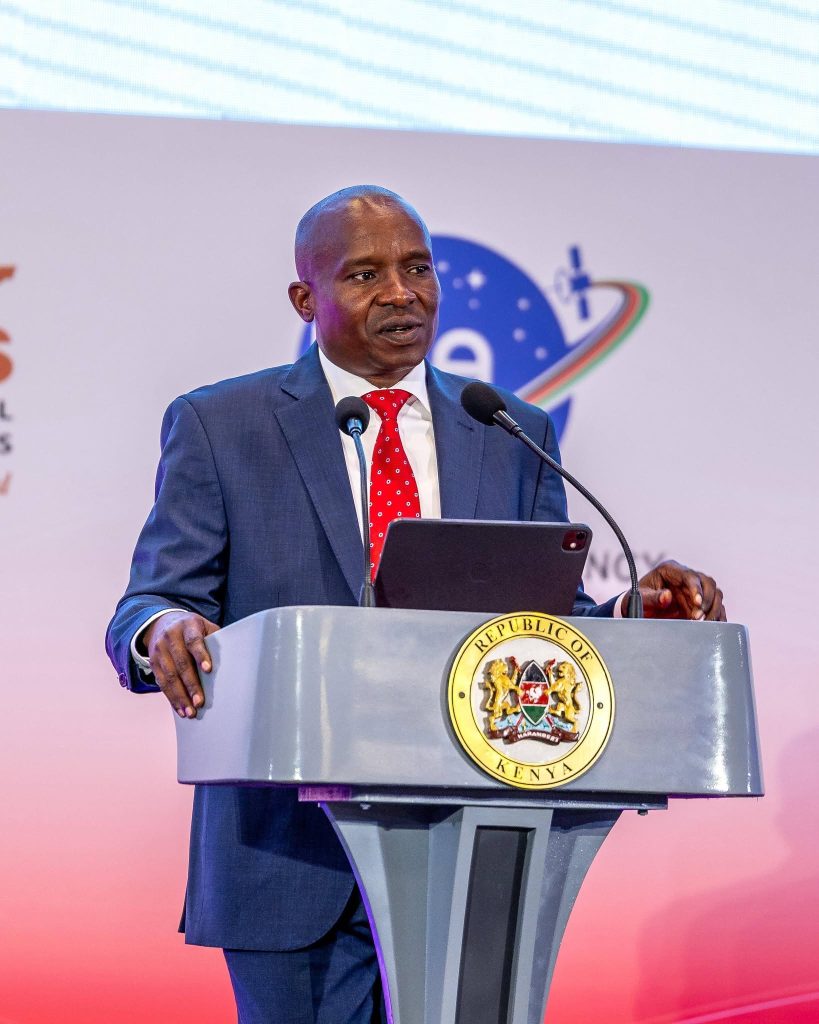
Deputy President Kithure Kindiki has announced that Kenya will commit Sh140 billion in domestic resources to support the ongoing expansion of the United Nations Office at Nairobi (UNON), reinforcing the country’s bid to establish Nairobi as a leading center for global governance and multilateral diplomacy.
Speaking at Harambee House Annex during a courtesy call by the President of the 80th Session of the United Nations General Assembly, Annalena Baerbock, Kindiki said the government was determined to ensure that UNON attains operational standards comparable to those enjoyed by UN headquarters in New York and Geneva.
The commitment comes alongside the United Nations’ own Sh44 billion ($340 million) capital investment programme, one of the largest infrastructure projects undertaken by the UN Secretariat in Africa. The project is expected to be implemented in phases through 2030.
Kindiki said Kenya’s Sh140 billion investment will be directed toward upgrading key infrastructure around the Gigiri diplomatic district, including road networks, security installations, and sustainable utility systems necessary to support the expanding UN complex.
“We are committed to ensuring Nairobi attains full operational parity with other global UN centres and remains the premier diplomatic hub of the Global South,” Kindiki said.
The expansion is expected to significantly transform the capacity of the UN complex, with plans for a new ultra-modern Assembly Hall that will increase conference hosting capacity from 2,000 delegates to approximately 9,000 delegates.
The enhanced facilities are intended to place Nairobi on the same footing as the UN’s major conference centers in New York and Geneva, enabling the Kenyan capital to host larger international meetings and summits.
Beyond the existing global headquarters of the United Nations Environment Programme (UNEP) and UN-Habitat, the project is also expected to accommodate expanded global operations for agencies including UNICEF, UNFPA and UN Women, further strengthening Nairobi’s role within the UN system.
Sustainability remains a central feature of the project, with new buildings planned as net-zero energy facilities powered by solar technology and designed to meet modern environmental standards.
Kindiki said the expansion represents a major step toward achieving equitable geographical representation within international institutions by strengthening the UN’s presence in the Global South.
He noted that the project is expected to generate substantial economic benefits for Kenya through increased international traffic, higher demand for hospitality services, and growth in local businesses serving the diplomatic community.
Officials estimate that the expansion and relocation of additional UN operations could inject more than $350 million annually into the Kenyan economy.
The Deputy President also reaffirmed Kenya’s commitment to multilateralism and international cooperation, saying the country’s growing diplomatic profile positions Nairobi as an indispensable gateway for global engagement with Africa and the wider developing world.