



By Fridah Mbuvi, June 13, 2026
Israel launched a fresh wave of airstrikes across southern Lebanon on Saturday after issuing urgent evacuation orders to residents in about 20 towns and villages, escalating tensions along the border amid ongoing diplomatic efforts to secure a broader regional ceasefire.
The Israel Defense Forces (IDF) instructed civilians in areas surrounding the southern city of Nabatieh to leave immediately and move north of the Zahrani River, warning that military operations would target what it described as Hezbollah positions and infrastructure.
Israeli military spokesperson Avichay Adraee accused Hezbollah of violating existing truce understandings and cautioned that anyone remaining near the group’s facilities would be putting their lives at risk.
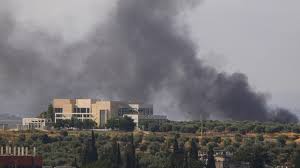
Shortly after the warnings, Lebanese state-run National News Agency reported airstrikes hitting several locations that had been included in the evacuation notice, including the villages of Rihan and Sujud.
Separate strikes also targeted the town of Maarakeh in the Tyre district, where local media reported that at least one person was killed. Additional casualty figures had not been officially confirmed by Lebanese authorities by Saturday evening.
The Israeli military said it was continuing operations aimed at degrading Hezbollah’s military capabilities, while Hezbollah has maintained that any discussion over disarmament cannot proceed while Israeli forces continue military activities in Lebanese territory.
The latest escalation comes after months of intermittent clashes and follows heightened tensions across the region linked to the broader confrontation involving Israel and Iran.
Despite the renewed violence, diplomatic contacts aimed at reaching a wider settlement remain active. Pakistani Prime Minister Shehbaz Sharif and Iranian officials have indicated that negotiations involving the United States are continuing, with efforts focused on achieving a comprehensive agreement that would include a cessation of hostilities in Lebanon.
Analysts warn that the renewed strikes underscore the fragility of current ceasefire arrangements and raise concerns that southern Lebanon could once again become a major flashpoint in the wider Middle East conflict.