


By Mumo Judah, June 9, 2026
The Ministry of Education has ruled out calls for an early nationwide midterm break, maintaining that schools will proceed with the official academic calendar and close for half-term on Monday, June 24, 2026, despite rising concerns over student unrest in parts of the country.
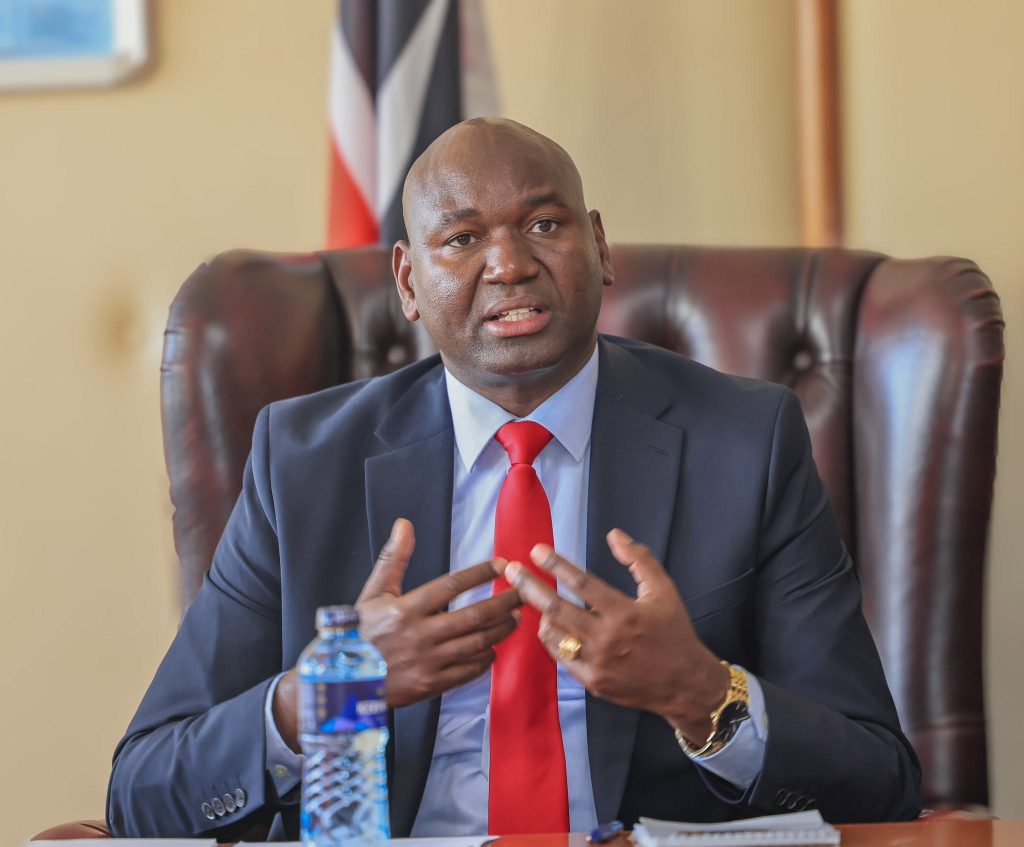
Basic Education Principal Secretary Prof. Julius Bitok said the government had reviewed the current situation in schools and concluded that the disruption cases remain limited and do not justify altering the national schedule. He emphasized that the priority remains protecting continuity in learning for the vast majority of students.
Speaking during an inspection tour, Bitok said the education system could not be disrupted due to isolated incidents affecting a small number of institutions, warning against what he described as reactionary policy shifts that could destabilize the academic calendar.
“The academic calendar remains unchanged. We cannot disrupt learning for millions of learners because of isolated cases in a few schools,” Bitok said.
According to ministry data presented by the PS, only about 80 secondary schools out of more than 9,500 institutions nationwide have reported incidents of unrest, representing less than 0.8 percent of schools. The ministry maintains that over 99 percent of learning institutions are operating normally.
Bitok noted that, based on this assessment, the government will not consider an early closure or system-wide suspension of learning activities.
In a parallel intervention aimed at easing pressure on learners, the Ministry of Education has also directed school administrators to suspend ongoing second-term examinations. Officials said the move is intended to reduce academic stress, which has been identified as one of the contributing factors to student anxiety and unrest in some institutions.
Education officials said continuous assessments and tightly scheduled mock examinations have, in some cases, increased pressure on learners, prompting the need for more flexible academic management at school level.
“The intention is to reduce unnecessary pressure on learners and ensure that examinations do not become a trigger for emotional distress,” Bitok said.
At the same time, the government has rolled out additional oversight measures in response to the unrest. The Ministry has deployed 400 Quality Assurance and Standards Officers to conduct a nationwide 10-day inspection of boarding schools, focusing on safety, discipline structures, and welfare systems.
School heads have also been instructed to strengthen internal communication mechanisms by establishing regular consultative forums with student leaders and councils. Officials say the goal is to create structured dialogue channels to address grievances before they escalate into protests or violence.
The Ministry insists that while isolated incidents are being addressed with urgency, the broader education system remains stable and should continue operating without interruption.
However, education stakeholders remain divided over the decision, with some calling for more drastic interventions, including temporary closures of affected schools, while others support the government’s position that stability in the academic calendar must be preserved.