


By Perez Karisa, June 25, 2026
Two years after the deadly June 25, 2024 Gen Z protests, families of those killed and injured are still waiting for justice, with human rights groups warning that accountability efforts have stalled and promised government compensation remains largely unfulfilled.
The demonstrations, which left dozens dead and hundreds injured, continue to cast a long shadow across affected families who say they are still struggling with grief, economic hardship, and a lack of closure. Despite repeated assurances from authorities, most cases linked to police shootings during the protests have not been resolved in court.
Human rights organisations and victims’ families say investigations by the Independent Policing Oversight Authority (IPOA) have made limited progress, with many cases stalled at the investigative stage due to missing records, weak inter-agency cooperation, and alleged non-compliance by some police stations.
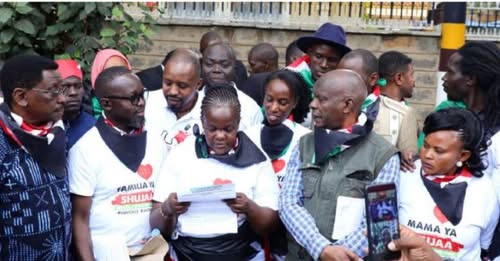
“We have waited for two years with no meaningful progress. Families deserve truth, justice, and accountability, not endless delays,” a victims’ rights advocate said during a commemorative briefing marking the anniversary.
According to activists, one of the major challenges in pursuing accountability has been the difficulty in identifying officers involved in the shootings. They cite the use of masked units, unmarked vehicles, and obscured identification features during the protests, which has complicated prosecution efforts.
Court processes have also faced repeated delays, with families reporting that inquest hearings ordered to determine the circumstances of deaths are frequently adjourned or postponed, prolonging what they describe as a painful and exhausting legal process.
Beyond the courtroom, the human impact of the protests continues to be felt. Several families say they lost their primary breadwinners and have yet to receive the financial support that was publicly promised in the aftermath of the unrest. Many households remain in economic distress, relying on informal support networks to survive.
Survivors of the protests who sustained injuries are also struggling with long-term consequences. Human rights groups report that some are living with permanent disabilities, psychological trauma, and limited access to specialized medical care or rehabilitation services.