



By Joshua Otieno | April 5, 2026
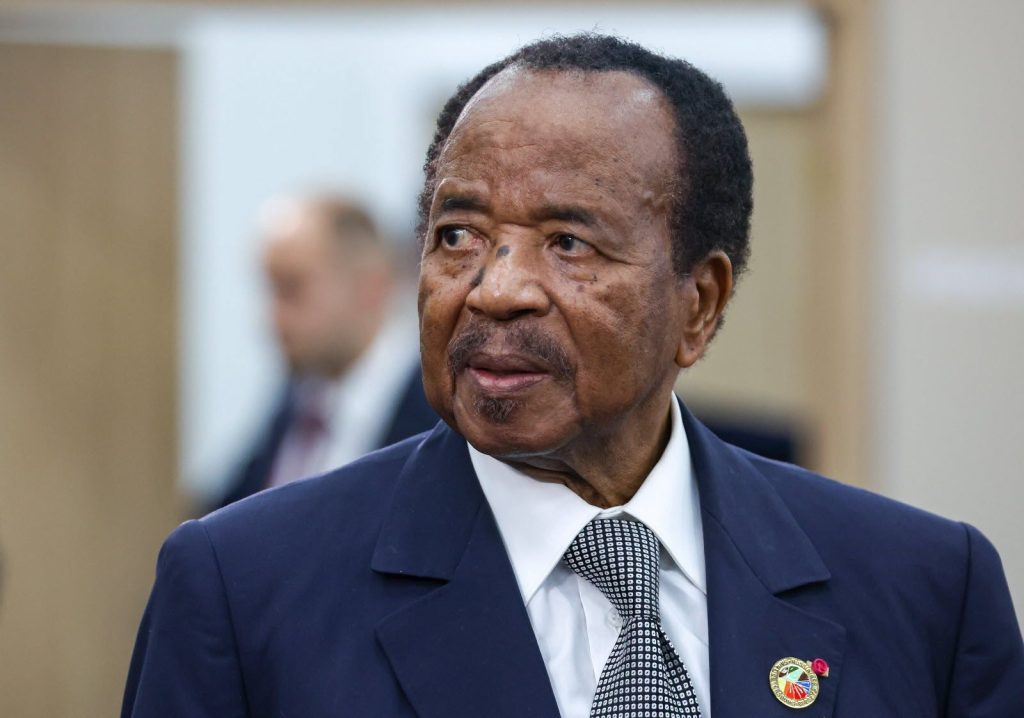
Parliament in Cameroon has approved sweeping constitutional amendments to reintroduce the position of Vice-President, marking a significant shift in the country’s governance and succession structure.
The reforms, backed by President Paul Biya, were passed during a joint session of the National Assembly and Senate on April 4, 2026. This is the first time the role has been reinstated since it was abolished in 1972 following the country’s transition to a unitary state.
Under the new framework, the Vice-President will automatically assume power and complete the remainder of the presidential term in the event of death, resignation, or incapacity of the sitting president. This replaces the previous arrangement where the Senate President would serve in an interim capacity before fresh elections were held.
The amendments also grant the President exclusive authority to appoint the Vice-President, a move that effectively allows Biya to directly influence his succession. Supporters argue that the change will enhance governance continuity and institutional stability, particularly as the country navigates a sensitive political transition period.
However, the decision has drawn criticism from opposition leaders, including Maurice Kamto, who has described the move as a constitutional power grab. Critics argue that the reforms were rushed and lacked broad public consultation, raising concerns about democratic accountability.
The vote passed overwhelmingly, with 200 lawmakers supporting the amendments against 18 who opposed them.
Attention has now turned to who might be appointed as Vice-President, with several high-profile figures reportedly under consideration. Among those mentioned are Ferdinand Ngoh Ngoh, a powerful presidential aide, Territorial Administration Minister Paul Atanga Nji, and veteran statesmen Philemon Yang and Peter Mafany Musonge. Observers note that the selection could play a crucial role in maintaining regional and linguistic balance, particularly between Francophone and Anglophone communities.
The constitutional overhaul also introduces new provisions requiring the Vice-President to declare assets and be subject to oversight mechanisms, including impeachment procedures.
The reforms signal a major recalibration of power in Cameroon, with far-reaching implications for the country’s political future and leadership transition.