



By Brian Said Iha, Geneva, June 3, 2026
The World Meteorological Organization (WMO) has confirmed that El Niño conditions are rapidly developing in the tropical Pacific Ocean, raising concerns over potentially significant weather disruptions across the globe in the coming months.
In its latest El Niño/La Niña Update, the United Nations weather agency said there is an 80 per cent probability that El Niño conditions will become fully established between June and August 2026. The likelihood is projected to increase to more than 90 per cent during the remainder of the year, with forecasts indicating the phenomenon could strengthen to moderate or even strong levels by November.
The announcement has placed governments, disaster management agencies and climate experts on heightened alert, given El Niño’s historical association with extreme weather events including droughts, floods, heatwaves and disruptions to agricultural production.
El Niño is a naturally occurring climate pattern characterized by unusually warm sea surface temperatures in the central and eastern Pacific Ocean. Although it originates thousands of kilometres away from many affected regions, the phenomenon significantly alters global weather systems and can influence rainfall, temperatures and storm patterns across multiple continents.
According to the WMO, current oceanic and atmospheric indicators point to a rapid transition toward El Niño conditions after months of neutral climate patterns. Meteorologists say the developing system is being closely monitored because of its potential to trigger widespread climatic impacts during the second half of the year.
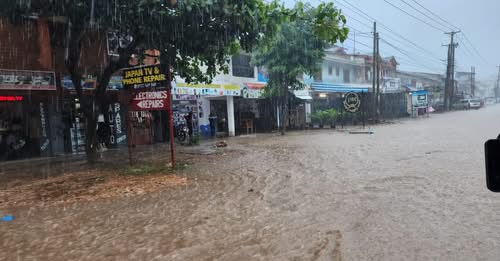
The forecast is particularly significant for East Africa, where previous El Niño events have often been associated with above-average rainfall, flash floods and disruptions to transport and agricultural activities. Governments across the region are expected to strengthen preparedness measures as weather agencies continue to refine seasonal forecasts.
In Kenya, memories remain fresh of previous El Niño episodes that caused extensive flooding, destruction of infrastructure and displacement of thousands of families in vulnerable areas. Authorities are likely to closely monitor developments as the rainy seasons approach, especially in flood-prone counties.
Globally, climate experts warn that El Niño could further amplify already elevated temperatures driven by climate change. Recent years have seen record-breaking global temperatures, and the emergence of a moderate to strong El Niño could contribute to additional heat extremes in several parts of the world.
The WMO noted that while El Niño’s exact impacts vary from region to region, the phenomenon has historically been linked to severe drought conditions in some countries while triggering excessive rainfall and flooding in others. As a result, governments are being urged to strengthen early warning systems and disaster preparedness mechanisms.
Agricultural sectors around the world are also expected to closely monitor the evolving climate conditions. Changes in rainfall patterns can significantly affect crop production, water availability and food security, particularly in regions heavily dependent on rain-fed agriculture.
The agency emphasized that modern forecasting technologies have improved the ability of scientists to detect and monitor El Niño developments months in advance, providing governments with valuable time to prepare for potential impacts.
As the probability of El Niño continues to rise, meteorological agencies worldwide are expected to issue updated forecasts and advisories to help communities, businesses and policymakers respond effectively to the anticipated weather changes.
The latest WMO assessment underscores the growing importance of climate preparedness in an era of increasingly extreme weather events, with experts warning that proactive planning will be critical in reducing the potential human and economic costs associated with the developing El Niño phenomenon.