


By Brian Said Iha, US, May 30, 2026
The World Health Organization (WHO) has reported 906 suspected Ebola cases and 223 suspected deaths linked to the Bundibugyo strain of the virus in the Democratic Republic of Congo (DRC), raising fresh concerns over the rapid spread of the outbreak across the region.
According to WHO, the outbreak continues to affect several provinces in eastern DRC, including Ituri, North Kivu and South Kivu, where health authorities have confirmed 125 Ebola cases and 17 deaths. The agency says investigations are ongoing to verify hundreds of suspected infections and fatalities reported from affected communities.
The outbreak has also spread beyond the DRC’s borders, with neighboring Uganda reporting confirmed cases linked to travelers arriving from Congo. Health officials say surveillance and screening measures have been intensified to prevent wider regional transmission.
WHO officials have warned that the Bundibugyo strain presents a major public health challenge because there is currently no approved vaccine or specific treatment available for the virus. Experts estimate that the fatality rate among confirmed cases could range between 30 and 50 percent, making early detection and supportive care critical in reducing deaths.
The health agency believes the outbreak may have circulated undetected for several weeks before it was officially identified, allowing the virus to spread through communities and complicating contact-tracing efforts.
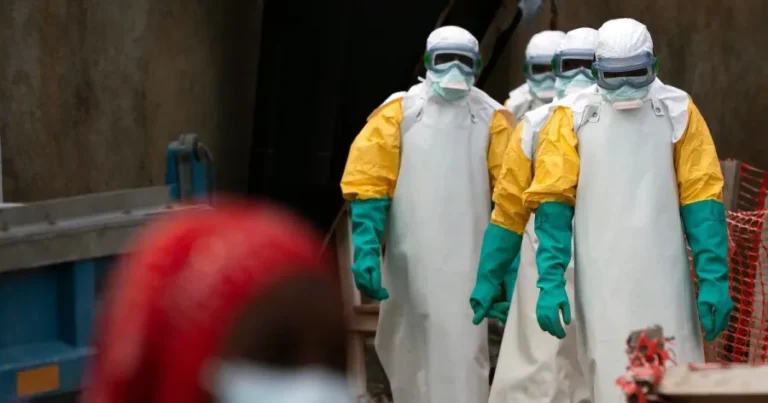
Response teams from WHO, national governments and international partners are working to strengthen testing, isolation, treatment and surveillance systems in affected areas. Medical supplies have also been deployed to support frontline health workers battling the outbreak.
WHO has emphasized that the increasing number of suspected cases reflects expanded surveillance and active case-finding efforts rather than a sudden spike in infections. However, officials caution that the situation remains serious and requires sustained international support.
The outbreak is centered in regions already affected by insecurity and displacement, factors that continue to hinder response operations and access to healthcare services. Health workers are also facing challenges in tracing contacts and conducting safe burials in some communities.
WHO says it remains too early to determine whether the outbreak has reached its peak, but insists that aggressive containment measures, public awareness campaigns and cross-border cooperation will be essential in preventing further spread of the deadly virus.