



By Mumo Judah, Nairobi, June 3, 2026
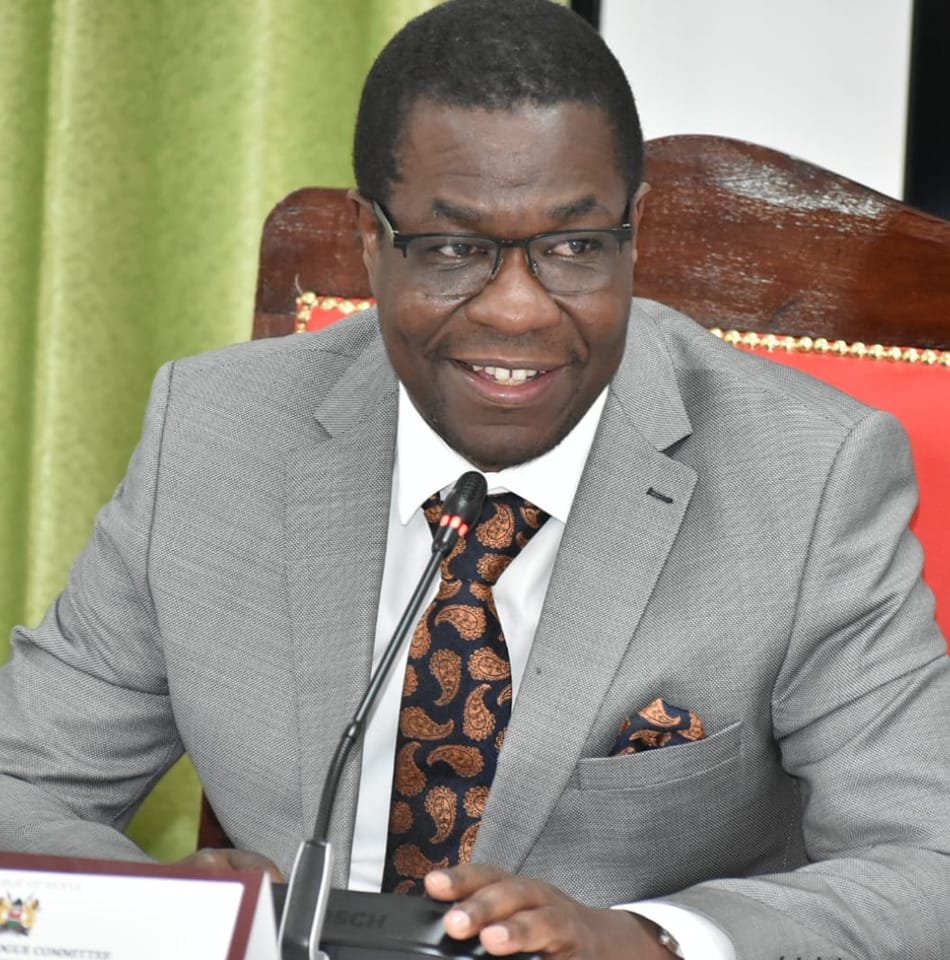
Energy and Petroleum Cabinet Secretary Opiyo Wandayi has withdrawn Kenya Power and Lighting Company’s proposed electricity tariff review, effectively halting any planned increase in electricity costs for households and businesses across the country.
The decision follows an application submitted by Kenya Power on March 31, 2026, seeking approval for a comprehensive restructuring of retail electricity tariffs. The proposal had progressed through internal consultations before being stopped by the Ministry of Energy following policy review discussions.
According to the ministry, the withdrawal was made to shield consumers from a potential increase in the cost of living and production, particularly at a time when electricity remains a key driver of household expenses and industrial competitiveness.
Officials familiar with the proposal indicated that Kenya Power’s plan would have significantly altered the existing lifeline tariff structure. The subsidized consumption band, currently set at 100 kilowatt-hours per month, was proposed to be reduced to 30 kilowatt-hours, a change that would have pushed many households into higher billing categories.
The rejected plan also outlined new base tariff levels, which would have seen low-consumption households charged approximately KSh14 per kilowatt-hour, while consumers above the proposed threshold would have faced higher rates of about KSh21.68 per kilowatt-hour, excluding additional levies.
Following the withdrawal, the Ministry of Energy confirmed that existing electricity tariffs will remain unchanged for the foreseeable future. The government has assured consumers that there will be no immediate adjustments to retail power prices.
At Kawi House, CS Wandayi confirmed the government’s position that the tariff review would not proceed, but did not provide further technical details on the decision-making process. His remarks marked the official halt of the proposed pricing review.
The ministry maintained that the focus will now shift toward strengthening Kenya Power’s internal efficiency rather than transferring additional costs to consumers. Key measures expected include improved revenue collection, reduction of system losses, and tighter financial controls within the utility.
Energy officials have further emphasized that long-term stability in the power sector will depend on structural reforms aimed at improving operational efficiency and financial sustainability within Kenya Power, rather than frequent tariff adjustments.
Despite the cancellation of the review, the government has maintained that electricity supply will remain stable and uninterrupted, with no risk to grid operations arising from the decision.
The move is expected to provide short-term relief to consumers already facing high living costs, while increasing pressure on Kenya Power to address its financial challenges through internal reforms rather than tariff increases.
Energy sector stakeholders are expected to continue discussions on broader reforms, including tariff policy, subsidy frameworks, and investment in grid infrastructure to meet growing national demand.