


By Erestinah Jane, July 1, 2026
Vodacom Group has completed a landmark corporate transaction that raises its stake in Safaricom PLC to 55 per cent, giving the South African telecommunications giant majority control of East Africa’s largest mobile network operator.
The deal, valued at approximately $2.1 billion (about KSh271 billion), was finalized on June 30, 2026, marking one of the biggest corporate transactions in Kenya’s telecommunications sector. The acquisition reshapes Safaricom’s ownership structure while paving the way for deeper regional expansion, particularly in digital financial services.
The transaction saw Vodacom acquire a 15 per cent stake from the Government of Kenya, valued at KSh204.3 billion, alongside an effective five per cent stake from its parent company, Vodafone Group Plc, at an agreed price of KSh34 per share.
Following the completion of the deal, Vodacom now owns 55 per cent of Safaricom. The Government of Kenya, through the National Treasury, retains a 20 per cent shareholding, while the remaining 25 per cent continues to be held by public investors trading the company’s shares on the Nairobi Securities Exchange (NSE).
The acquisition proceeded after the Court of Appeal lifted conservatory orders that had temporarily halted the government’s planned sale of its shares. The legal challenge had questioned issues surrounding public participation and data privacy, but the appellate court cleared the way for the transaction to proceed.
With the new ownership structure, Safaricom will no longer be treated as an associate company in Vodacom’s financial statements. Instead, it will become a fully consolidated subsidiary, meaning Vodacom will directly include Safaricom’s revenues, profits, assets and liabilities in its consolidated financial reporting.
The accounting change significantly strengthens Vodacom’s financial position, given Safaricom’s status as one of Africa’s most profitable telecommunications companies.
National Treasury Cabinet Secretary John Mbadi said proceeds from the transaction would support the government’s development agenda without increasing Kenya’s public debt burden.
According to the Treasury, the government expects to receive a total of KSh244.5 billion, comprising the proceeds from the share sale and an additional KSh40.2 billion dividend-related payment.
The funds are expected to finance major infrastructure projects, including the construction and rehabilitation of roads, expansion of airport facilities, improvement of water infrastructure and other priority public investments.
Despite reducing its ownership, the Kenyan government negotiated several conditions before approving the transaction to safeguard national interests.
Among the protections are commitments that Safaricom will continue operating under its established brand, maintain Kenyan leadership within its executive management, preserve local employment opportunities and continue supporting Kenyan suppliers and businesses within its value chain.
The safeguards were intended to ensure that the company’s local identity and contribution to Kenya’s economy remain intact despite the shift in majority ownership.
Vodacom and Vodafone have indicated that the streamlined ownership structure will accelerate the expansion of Safaricom’s digital business across Africa.
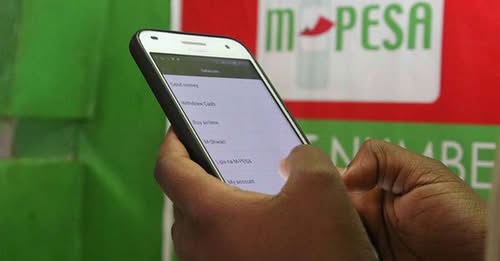
A key priority will be growing M-Pesa, which has become one of the continent’s most successful mobile money platforms. The companies also plan to deepen digital financial services, particularly in Ethiopia, where Safaricom has been expanding operations following the liberalization of the country’s telecommunications market.
Industry analysts say the acquisition positions Vodacom to make faster strategic decisions, improve operational coordination across its subsidiaries and strengthen its competitiveness in Africa’s rapidly evolving telecommunications and fintech sectors.
The completion of the transaction marks a new chapter in Safaricom’s corporate history as the company seeks to leverage its market leadership in Kenya to drive broader regional growth while maintaining its position as one of Africa’s most valuable listed firms.