



By Fridah Mbuvi, June 15, 2026
A breakthrough agreement between the United States and Iran has paved the way for an end to the 2026 conflict, with the two countries agreeing to halt military operations and reopen key global energy routes under the newly finalized Islamabad Memorandum of Understanding.
The agreement, facilitated by mediators from Pakistan and Qatar, provides for an immediate and permanent ceasefire across all fronts, including hostilities linked to Lebanon. It also commits Iran to reopening the Strait of Hormuz, while the United States will lift its naval blockade of Iranian ports to restore commercial shipping and stabilize global trade.
Under the deal, both sides will enter a 60-day diplomatic process aimed at resolving outstanding issues, including Iran’s nuclear program and the future of economic sanctions. A formal signing ceremony is scheduled for June 19 in Switzerland.
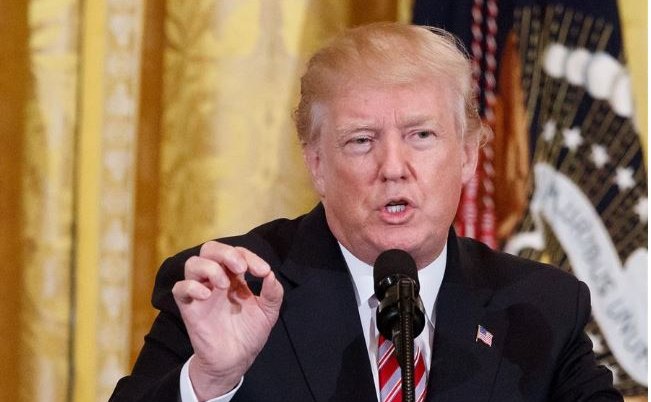
US President Donald Trump confirmed the breakthrough, declaring that “oil will flow” and authorizing the lifting of maritime restrictions to facilitate the resumption of international shipping.
Financial markets responded positively to the announcement, with global oil prices falling sharply amid expectations of improved supply and easing inflationary pressures.
Iranian Deputy Foreign Minister Kazem Gharibabadi described the agreement as a diplomatic success, saying Tehran’s final proposals were incorporated after prolonged negotiations with Qatari mediators.
Despite provisions calling for an end to hostilities affecting Lebanon, Israel was not directly involved in the negotiations and had not officially stated whether it would comply with the terms of the ceasefire.
The accord marks one of the most significant diplomatic breakthroughs of the year and is expected to have far-reaching implications for regional stability and global energy markets.