


By Brian Iha | US | May 29, 2026
The United States has approved an additional Ksh10.3 billion in emergency funding to strengthen ongoing Ebola response efforts as health officials continue monitoring the outbreak and intensify containment measures across affected regions.
According to officials, the funding package is expected to support critical areas of the response including the supply of Personal Protective Equipment (PPE), border screening operations, contact tracing, laboratory testing, surveillance, and public health awareness campaigns aimed at preventing further spread of the deadly virus.
The announcement comes at a time when health agencies and governments are under mounting pressure to contain the outbreak before it escalates into a wider regional health crisis. Authorities say the new funding will enhance preparedness and reinforce frontline health systems already stretched by increased monitoring and emergency response activities.
Health experts have warned that Ebola remains one of the world’s most dangerous viral diseases due to its high fatality rate and ability to spread rapidly through direct contact with infected bodily fluids. The disease often presents symptoms such as fever, fatigue, vomiting, diarrhea, and internal bleeding, making early detection and isolation crucial in preventing transmission.
Officials familiar with the funding plan said a significant portion of the money will be directed toward strengthening border surveillance, particularly in high-risk entry points where health teams are conducting temperature screening, medical assessments, and traveler monitoring. Authorities believe tighter border control measures will play a key role in limiting cross-border transmission.
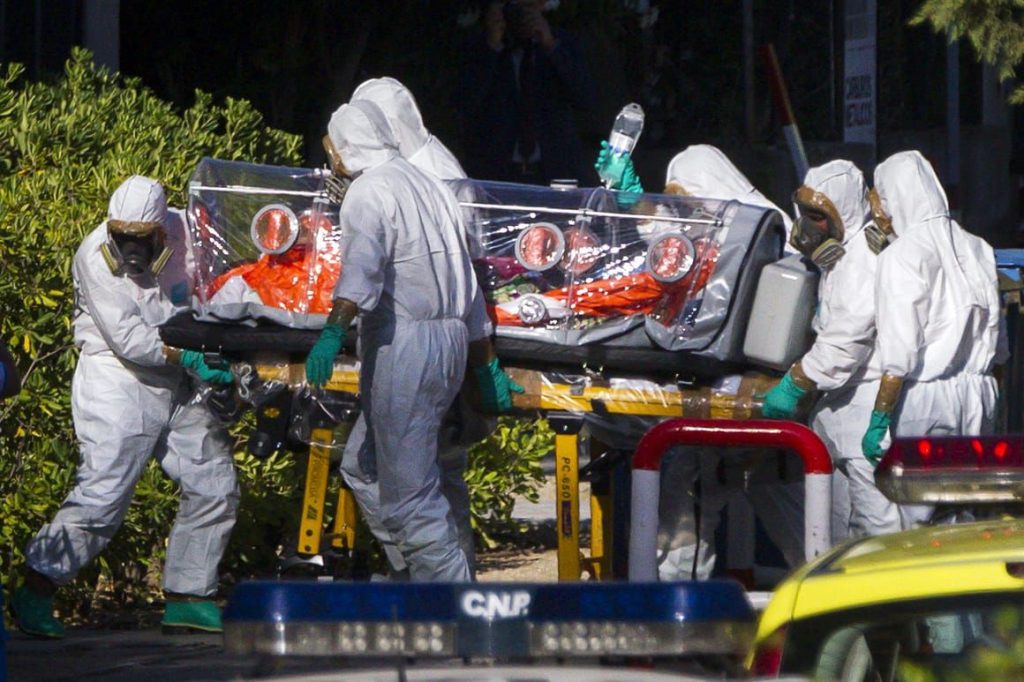
The funding will also facilitate the procurement and distribution of PPE for healthcare workers operating in high-risk environments. Medical personnel remain among the most vulnerable groups during Ebola outbreaks due to constant exposure to infected patients. Health agencies have repeatedly emphasized the importance of protective equipment in safeguarding frontline workers and maintaining continuity in healthcare services.
In addition, part of the support will go toward expanding contact tracing operations. Public health officials say identifying and monitoring individuals who may have interacted with infected persons remains one of the most effective ways of breaking the chain of transmission.
Laboratory testing capacity is also expected to improve under the new support package, allowing health authorities to speed up diagnosis and response times. Faster testing is considered critical in isolating suspected cases early and reducing the risk of community spread.
The United States government reaffirmed its commitment to supporting global health security and emergency response efforts, noting that international cooperation remains essential in controlling infectious disease outbreaks. Health experts say global partnerships and coordinated interventions are necessary in addressing emerging public health threats that can easily spread beyond national borders.
Humanitarian organizations and international health agencies have welcomed the additional funding, describing it as a timely boost to ongoing containment efforts. They say sustained financing and coordinated action will be crucial in ensuring affected communities receive adequate medical support, public health information, and emergency assistance.
Meanwhile, health officials continue urging the public to remain vigilant, maintain hygiene protocols, and report suspected symptoms early to medical authorities. Communities in affected and neighboring regions are also being encouraged to cooperate with health workers conducting surveillance and awareness campaigns.
As monitoring continues, authorities say the situation remains under close observation, with response teams working around the clock to contain the outbreak and prevent further infections.
The latest funding allocation signals growing international concern over the outbreak and underscores the urgency of strengthening preparedness, response coordination, and healthcare systems in the fight against Ebola.