



By Fridah Mbuvi, June 16, 2026
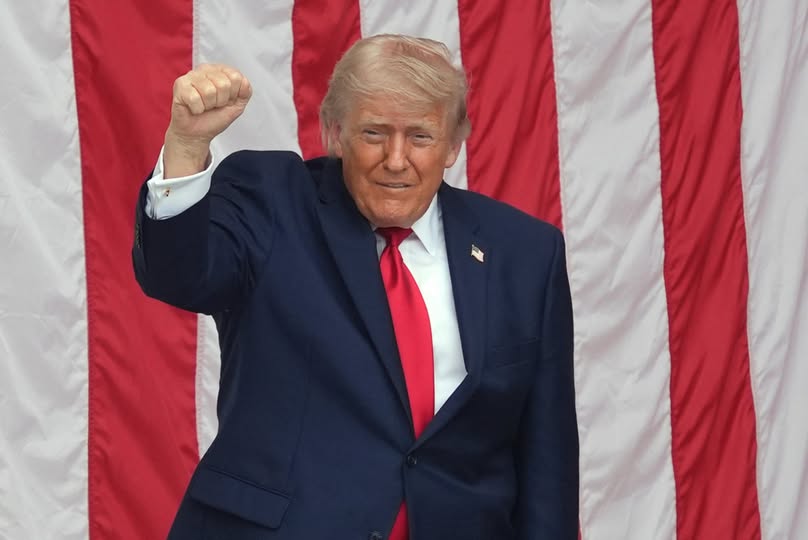
United States Vice President JD Vance has said President Donald Trump may release the preliminary text of a landmark peace agreement with Iran before its formal signing later this week, amid growing pressure from lawmakers seeking greater clarity on the deal.
Speaking after President Trump’s announcement during the G7 summit in France, Vance said the agreement had already been electronically endorsed and that the administration was considering publishing the framework before Friday’s ceremony in Geneva, Switzerland.
According to U.S. officials, the initial document is a brief Memorandum of Understanding spanning roughly one and a half pages and serves as a broad framework rather than a detailed peace treaty.
The agreement provides for an immediate 60-day ceasefire across all military fronts, including hostilities involving Lebanon, and calls for the lifting of the U.S. naval blockade. The Strait of Hormuz is expected to fully reopen on Friday, restoring one of the world’s most critical energy shipping routes.
President Trump said Iran had committed never to pursue nuclear weapons and would allow inspectors from the International Atomic Energy Agency (IAEA) to return to the country to oversee the dismantling of highly enriched uranium stockpiles.
The framework also outlines a path toward sanctions relief and renewed access to international trade, contingent on verified Iranian compliance. U.S. officials said discussions on a possible $300 billion reconstruction fund backed by Gulf nations remain under consideration and would be addressed during future negotiations.
The official signing ceremony is scheduled for Friday in Geneva.
However, several contentious issues remain unresolved.
Israeli Prime Minister Benjamin Netanyahu has distanced himself from the agreement, insisting that Israeli forces would retain “freedom of action” and maintain their presence in southern Lebanon, Gaza and Syria for as long as necessary.
Tensions escalated after Israeli forces carried out a strike in southern Lebanon shortly after the peace announcement, prompting retaliatory rocket and drone attacks from Hezbollah.
In Washington, several Republican senators have expressed concerns over the broad language contained in the framework and have called on the White House to make the text public immediately.
Vice President Vance and other administration officials have also dismissed reports by Iranian state media suggesting that frozen Iranian assets would be automatically released upon signing. They maintained that any financial relief would depend entirely on verified compliance with the agreement.
Technical negotiations between Washington and Tehran are expected to continue over the next 60 days to address unresolved matters, including sanctions mechanisms and the future of Iran’s nuclear program.