


By Brian Iha
June 2, 2026
NAIROBI, Kenya — A consultative meeting on corruption within the Judiciary convened by Chief Justice Martha Koome was thrown into controversy after members of the Senior Counsel Bar boycotted the forum, citing the absence of the Judicial Service Commission (JSC).
The senior lawyers, led by Senior Counsel Philip Murgor, declined to participate in the anti-corruption meeting, arguing that meaningful discussions on allegations of judicial misconduct could not take place without the involvement of the constitutional body mandated to investigate and discipline judicial officers.
Speaking on behalf of the group, Murgor maintained that any deliberations on corruption within the Judiciary would be ineffective if the JSC was not represented, describing the forum as a potential “smoke and mirror exercise” lacking the authority to address the root causes of misconduct within the justice system.
The boycott exposed growing tensions over how allegations of corruption within the Judiciary should be addressed, with critics insisting that institutional accountability mechanisms must be central to any reform agenda.
The Chief Justice had convened the meeting as part of ongoing efforts to engage stakeholders in confronting concerns about integrity and public confidence in the administration of justice. The forum was expected to bring together members of the legal profession, judicial officers and other key actors in the justice sector to discuss measures aimed at strengthening transparency and accountability.
However, the absence of the JSC became a major sticking point for the Senior Counsel Bar, whose members argued that the commission plays a critical constitutional role in handling complaints against judges and magistrates.
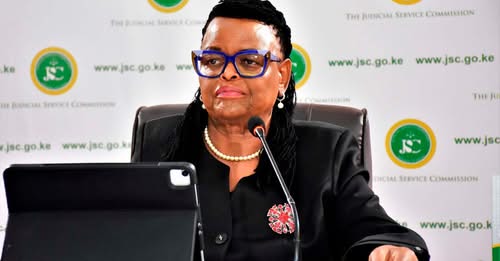
Under the Constitution, the Judicial Service Commission is responsible for promoting accountability within the Judiciary, including investigating allegations of misconduct and recommending disciplinary action where necessary. Senior counsel attending the forum argued that excluding the commission from such discussions undermined the purpose of the consultations.
Murgor and his colleagues maintained that any genuine effort to tackle corruption within the courts must involve institutions with the legal mandate to enforce disciplinary measures. Without the JSC’s participation, they said, discussions risked becoming symbolic rather than producing tangible reforms.
The boycott comes at a time when the Judiciary continues to face scrutiny over allegations of corruption, case delays and concerns about public trust in the justice system. Calls for stronger accountability mechanisms have intensified in recent years, with legal practitioners, civil society groups and members of the public urging judicial leaders to take firmer action against misconduct.
Despite the walkout by the Senior Counsel Bar, the anti-corruption consultations proceeded, with stakeholders expected to deliberate on measures aimed at improving integrity within the Judiciary and restoring confidence in the country’s courts.
The incident is likely to reignite debate over the role of the Judicial Service Commission in ongoing reform efforts and whether future anti-corruption initiatives can succeed without the direct involvement of the body constitutionally tasked with overseeing the conduct of judicial officers.
As discussions on judicial accountability continue, attention is now likely to shift to whether the Judiciary and the JSC can find common ground on the best approach to addressing corruption concerns and strengthening public trust in Kenya’s justice system.