



By Mumo Judah, Nairobi, June 3, 2026
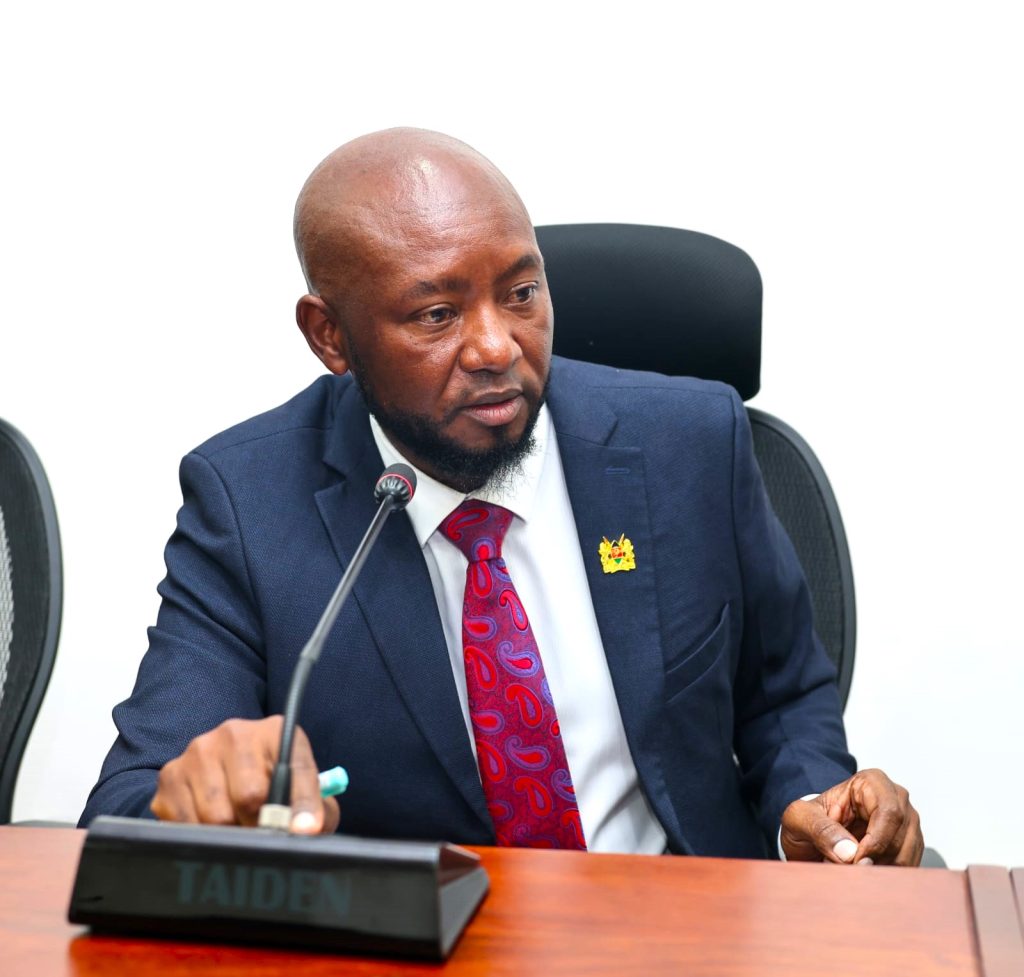
Kirinyaga Senator James Murango has called on the government to provide detailed explanations regarding the impact of the export levy on tea sales and the continued importation of duty-free rice, raising concerns over the competitiveness of Kenya’s agricultural sector and the welfare of local farmers.
Through a statement sought from the Senate Standing Committee on Agriculture, Livestock and Fisheries, Senator Murango expressed concern over the 0.8 per cent levy imposed on tea exports, arguing that the charge has increased costs for buyers and weakened the competitiveness of Kenyan tea in the global market.
He noted that the levy has reportedly contributed to a decline in tea exports in key markets, including Sudan and Iran, warning that the trend could negatively affect thousands of farmers who depend on tea farming as their primary source of income.
The senator has asked the committee to explain the rationale behind the introduction of the levy and whether adequate consultations were conducted between the government and stakeholders in the tea industry before its implementation.
He is also seeking clarification on whether a comprehensive assessment was carried out to evaluate the impact of the levy on international markets, particularly in the Middle East, and what measures have been put in place to prevent Kenya from losing its traditional tea export destinations.
Additionally, Senator Murango wants details on the strategies being implemented to support tea farmers in coping with the challenges arising from the levy, as well as ongoing diplomatic efforts aimed at strengthening Kenya’s tea trade position globally.
He further raised concern over reports of irregular practices involving some actors in Iran’s tea market, which he said have negatively affected the competitiveness and reputation of Kenyan tea in that market. He urged the government to address the issue through appropriate trade and diplomatic channels.
In a separate statement to the Senate Standing Committee on Trade, Industrialisation and Tourism, the senator also raised concern over the continued importation of duty-free rice into the country.
He said the influx of imported rice has flooded the domestic market, denying local farmers access to fair markets for their produce, especially during harvest seasons when supply is high.
According to Murango, Kenyan farmers continue to produce large quantities of rice but struggle to find buyers due to the presence of cheaper imported rice, a situation he said is negatively affecting rural livelihoods and undermining the growth of the domestic agricultural sector.
He has requested the committee to explain why duty-free rice imports are still allowed, the annual volume of rice being imported into the country, and the measures being taken to protect local farmers from unfair competition.
The senator is also seeking information on government plans to ensure locally produced rice has a guaranteed market, as well as any assessments conducted on the broader economic impact of continued rice imports on the national economy.
Murango urged the government to prioritise the interests of Kenyan farmers by safeguarding domestic agricultural production and ensuring fair market conditions that support sustainable growth in the sector.
The Senate committees are expected to review the concerns and provide responses on the policy, trade, and economic implications raised by the senator.