


By Erestinah Jane, July 13, 2026
The World Health Organization (WHO) has confirmed that a second United States citizen infected with the Ebola Bundibugyo virus has been safely evacuated from the Democratic Republic of the Congo (DRC), as health authorities continue efforts to contain the outbreak and prevent further cross-border transmission.
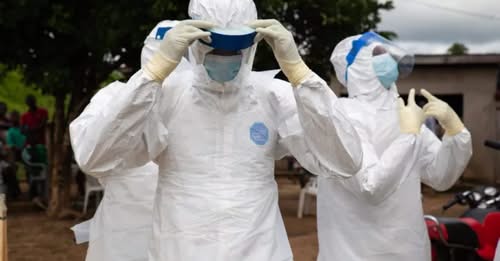
The evacuation comes amid heightened international surveillance following the spread of the rare Bundibugyo strain of the Ebola virus, which has affected communities in eastern DRC and neighboring Uganda. The patient was transported under strict biosecurity protocols to a specialized medical facility equipped to manage highly infectious diseases.
Health officials said the evacuation was carried out in coordination with international partners and followed established emergency response procedures designed to protect both the patient and the public during transport.
The Bundibugyo strain is one of several known Ebola virus species and remains particularly challenging because there is currently no licensed vaccine or specific antiviral treatment approved exclusively for this variant. Medical care largely focuses on supportive treatment, including fluid replacement, symptom management and intensive monitoring to improve survival chances.
WHO noted that the latest evacuation underscores the importance of strong international cooperation in responding to infectious disease outbreaks, particularly in regions where health systems face significant pressure.
The agency reaffirmed that surveillance, rapid diagnosis, contact tracing and community awareness remain the most effective tools in limiting the spread of Ebola and preventing new infections.
The latest evacuation also comes as regional governments continue to strengthen preparedness measures at border crossings, airports and health facilities amid concerns over the movement of travelers from affected areas.
Kenya, which has remained on high alert despite not recording any confirmed Ebola cases linked to the current outbreak, has intensified screening and surveillance at key points of entry to detect any suspected infections early. Health authorities have urged the public to remain calm while observing public health guidelines and reporting any suspected symptoms to the nearest health facility.
The recent case has also renewed attention on international evacuation protocols after authorities confirmed that infected foreign nationals requiring advanced medical care would be transferred to designated treatment centres outside the outbreak zone rather than facilities lacking specialized isolation capacity.
WHO emphasized that while Ebola remains a serious and often fatal disease, early detection, prompt isolation of patients and strict infection prevention measures significantly improve the chances of containing outbreaks.
The organization further called on governments, humanitarian agencies and development partners to continue supporting response efforts in the DRC, including strengthening laboratory capacity, training healthcare workers, improving disease surveillance and ensuring communities have access to accurate public health information.
Health experts continue to urge residents in affected regions to avoid contact with infected individuals or the bodies of Ebola victims, maintain proper hygiene practices and seek immediate medical attention if symptoms such as fever, severe headache, muscle pain, vomiting, diarrhea or unexplained bleeding develop.
The WHO said it will continue monitoring the outbreak closely and working with national governments and international partners to support ongoing containment efforts while minimizing the risk of the virus spreading beyond the affected regions.