



Ruto Unveils Reforms to National Infrastructure Fund to Enhance Transparency and Boost Investor Confidence
By ALFRED MATAZA, July 16, 2026
President William Ruto has assured Kenyans that the newly restructured National Infrastructure Fund will operate under stringent transparency and accountability measures aimed at eliminating the misuse of public resources and ensuring that every shilling invested in infrastructure delivers value to taxpayers.
The President said the reforms mark a significant shift in the management of public investment, noting that the government is determined to restore confidence in the financing of major national development projects while positioning Kenya as a preferred destination for infrastructure investment.
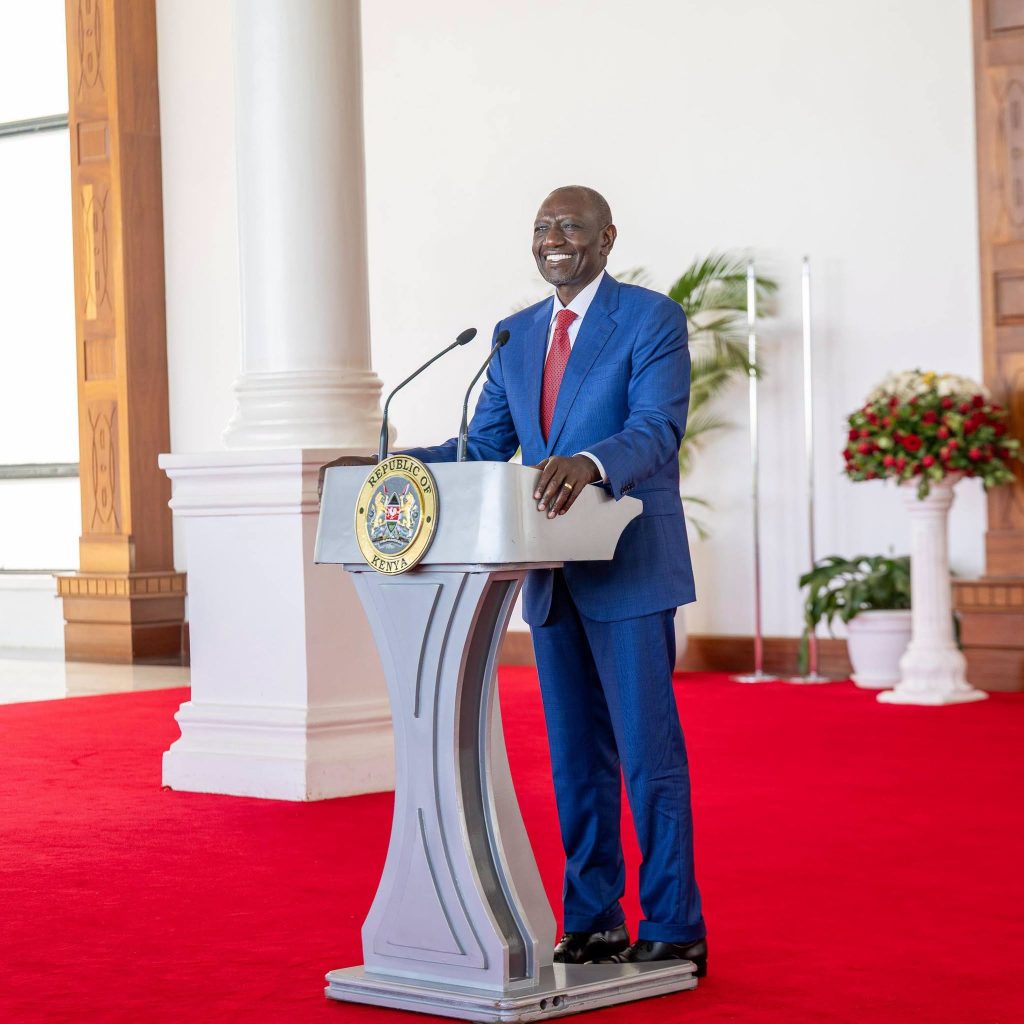
Speaking during the launch of the new governance framework, President Ruto said the National Infrastructure Fund will become one of the country’s most transparent financing vehicles, with systems designed to curb corruption, improve efficiency and accelerate the implementation of transformative projects.
“We are building an infrastructure financing system founded on integrity, transparency and accountability. Public resources must be protected, and every investment must translate into meaningful development for the people of Kenya,” the President said.
The restructuring comes as the government accelerates implementation of multi-billion-shilling projects in transport, energy, water, housing and digital infrastructure, many of which rely on a combination of public funding, Public-Private Partnerships (PPPs) and support from international development partners.
According to the Head of State, the reforms are intended to address long-standing concerns over delayed projects, inflated contract costs, procurement irregularities and weak oversight that have in the past undermined the delivery of critical infrastructure.
A key feature of the new framework is the establishment of an independent oversight board that will supervise the operations of the National Infrastructure Fund.
The semi-autonomous board will comprise financial professionals, private sector experts, engineers, governance specialists and representatives from the government. The administration says the diverse membership is intended to strengthen professional decision-making while reducing political interference in the allocation and management of infrastructure financing.
The board will be responsible for reviewing projects, approving financing decisions, monitoring implementation and ensuring that investments comply with national procurement laws and internationally recognized governance standards.
Government officials said the move is expected to strengthen confidence among investors and development partners by ensuring that project financing decisions are guided by technical and economic considerations rather than political interests.
In another major reform, the government has introduced a real-time digital auditing system that will provide continuous monitoring of all projects financed through the fund.
The platform will be integrated with the National Treasury’s financial management systems, enabling authorities to monitor project approvals, procurement processes, contract awards, fund disbursements and construction progress through an automated digital portal.
Officials said the technology will create a complete electronic audit trail, making it easier to detect financial irregularities, monitor expenditure and improve accountability throughout the life cycle of every project.
The President emphasized that embracing digital technology is critical in strengthening financial discipline and reducing opportunities for corruption.
“We are leveraging technology to enhance transparency because accountability begins with making information available, verifiable and traceable at every stage of implementation,” he said.
The government has also introduced strict conditional disbursement mechanisms under which funds will only be released after independent technical teams verify completed work on the ground.
Instead of receiving large upfront payments, contractors and implementing agencies will access financing in phases, with each disbursement tied to the successful completion and certification of agreed infrastructure milestones.
Authorities believe this milestone-based financing model will discourage stalled projects, prevent payment for incomplete works and ensure that public money is spent only after measurable progress has been achieved.
The reforms further introduce robust anti-corruption provisions targeting both contractors and public officials involved in infrastructure development.
Under the new legal framework, companies found guilty of inflating project costs, engaging in fraudulent procurement practices or embezzling public funds will automatically be blacklisted from future government contracts.
Similarly, public officers implicated in corruption, abuse of office or financial misconduct will face criminal prosecution and other legal sanctions.
President Ruto said the government would not tolerate the misuse of public resources, regardless of the status of those involved.
“Anyone found stealing public funds or manipulating infrastructure contracts will face the law. We are determined to ensure integrity remains the cornerstone of our development agenda,” he said.
The restructuring of the National Infrastructure Fund comes at a critical time as Kenya intensifies efforts to mobilize private capital and multilateral financing for large-scale infrastructure projects.
The government has increasingly embraced Public-Private Partnerships as a strategy for financing major investments without placing excessive pressure on public finances.
Officials believe stronger governance systems will enhance Kenya’s credibility among international financiers, commercial lenders and institutional investors seeking assurance that infrastructure investments are being managed transparently and efficiently.
Among the flagship projects expected to benefit from the strengthened financing framework is the ongoing KSh154.2 billion modernization of Jomo Kenyatta International Airport (JKIA).
The ambitious project, currently being undertaken by China Road and Bridge Corporation (CRBC), includes the construction of a new passenger terminal, expansion of aircraft parking bays, improved taxiway systems and comprehensive modernization of existing airport facilities.
Once completed, the upgraded airport is expected to increase annual passenger handling capacity from the current 7.5 million to approximately 22 million passengers, significantly enhancing Kenya’s position as East Africa’s leading aviation hub.
Other strategic projects likely to benefit from the new financing model include national highway expansion programmes, affordable housing developments, water infrastructure, energy transmission projects and logistics corridors intended to stimulate trade and industrial growth.
The President said improved governance of infrastructure financing will play a critical role in supporting Kenya’s long-term economic transformation by ensuring projects are completed efficiently, on time and within budget.
He added that restoring public trust in the management of development funds is essential for attracting new investment and sustaining economic growth.
“As we continue building roads, airports, railways, housing and other strategic infrastructure, we must also build confidence in the systems that finance these investments. Transparency and accountability are not optional—they are fundamental to achieving sustainable development,” President Ruto said.
The government expressed confidence that the reforms will usher in a new era of responsible infrastructure financing, strengthen investor confidence and position Kenya as one of Africa’s most attractive destinations for large-scale development investment.