



By Erestinah Jane, July 12, 2026
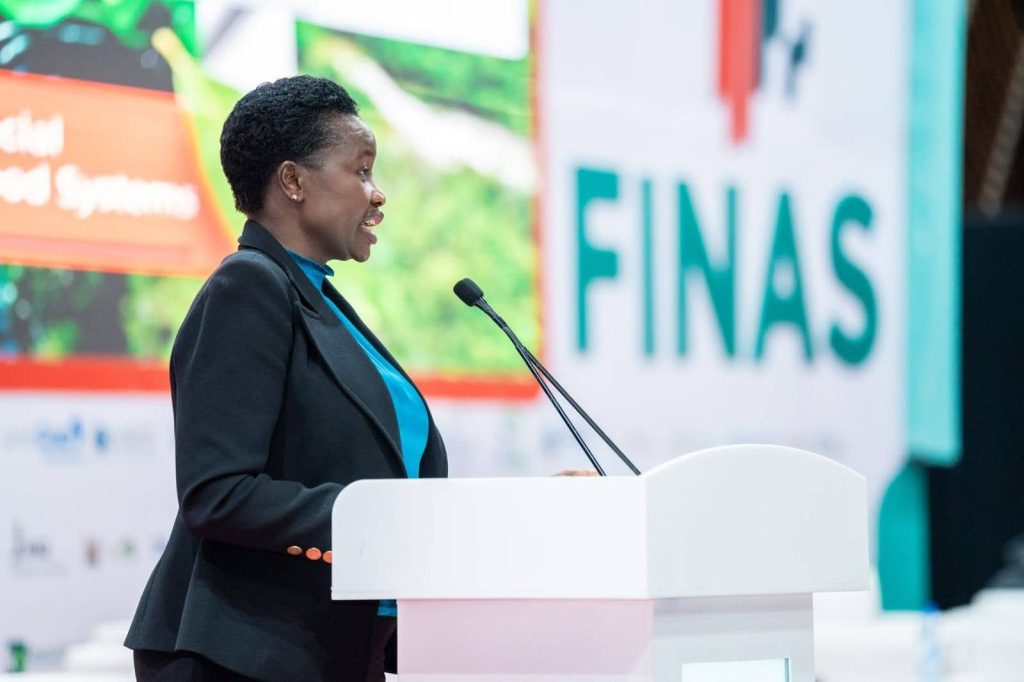
Principal Secretary for the State Department for Micro, Small and Medium Enterprises (MSMEs) Development Susan Mang’eni has clarified why some beneficiaries of the National Youth Opportunities Towards Advancement (NYOTA) Programme received KSh 19,000 instead of the expected KSh 22,000 during the latest round of disbursements.
Speaking after concerns emerged among beneficiaries over the reduced payouts, Mang’eni explained that the difference was not caused by a technical error, but was a deliberate feature of the programme’s financial design aimed at encouraging a culture of saving among young entrepreneurs.
According to the Principal Secretary, beneficiaries who had withdrawn all the money held in the programme’s mandatory savings component before completing the project cycle had the withdrawn amount deducted from their second tranche of funding.
She noted that the NYOTA Programme was intentionally structured to promote long-term financial discipline by requiring participants to maintain part of their grant as savings, which can later support access to additional government-backed financial opportunities.
The clarification contradicts an earlier explanation by Deputy President Kithure Kindiki, who had attributed the lower payments to a minor technical hitch in the disbursement system.
Mang’eni maintained that the payment structure had been clearly outlined from the onset of the programme and that all deductions were made in line with the project’s operational guidelines.
The World Bank-backed NYOTA Programme, which is funded at approximately KSh 5 billion, seeks to empower young people by providing business capital, entrepreneurship training and financial literacy while promoting sustainable savings habits.
Under the programme, every successful beneficiary qualifies for a total grant of KSh 50,000, disbursed in two equal tranches of KSh 25,000 each after meeting the required programme milestones.
For each tranche, KSh 22,000 is deposited directly into the beneficiary’s Pochi la Biashara mobile wallet to support business operations and enterprise growth.
The remaining KSh 3,000 is automatically transferred into a savings account under the National Social Security Fund (NSSF) as part of the programme’s mandatory savings requirement.
Government officials say the savings component is designed to help young entrepreneurs build financial resilience while creating a foundation for accessing future government support programmes, including matching grants and affordable credit facilities such as the Hustler Fund.
According to the State Department, beneficiaries who maintained their mandatory savings received the full KSh 22,000 business capital during the latest disbursement, while those who had previously withdrawn the savings received lower amounts after the corresponding deductions were effected.
The government has encouraged NYOTA beneficiaries to retain their savings in future, saying the programme is not only intended to provide immediate business capital but also to cultivate responsible financial management and enhance access to long-term economic opportunities.
The clarification comes as the government continues rolling out the second phase of the NYOTA Programme across the country, with thousands of young entrepreneurs expected to benefit from funding, mentorship and business development support aimed at reducing youth unemployment and promoting self-employment.