



By Erestinah Jane | July 1, 2026
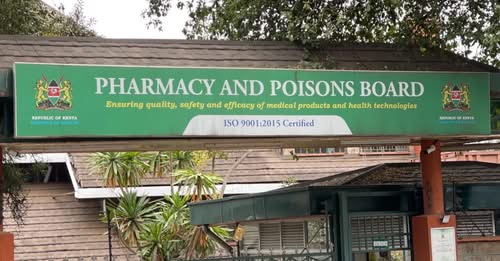
The Pharmacy and Poisons Board (PPB) has raised a nationwide alert over the growing circulation of counterfeit medicines, falsified HIV testing kits and fake medical products, warning that criminal syndicates are increasingly infiltrating Kenya’s pharmaceutical supply chain and putting patients’ lives at risk.
The warning was issued on Wednesday, July 1, 2026, during the launch of the National Action Plan on Substandard and Falsified Medical Products, where regulators unveiled new measures aimed at strengthening medicine safety and protecting the public from dangerous counterfeit products.
Speaking during the event, PPB Head of Post-Marketing Surveillance Dr. Edward Abwao said investigations have revealed that counterfeiters are targeting both high-demand lifestyle medicines and essential public health commodities.
Among the products flagged are counterfeit versions of the erectile dysfunction medication Viagra, falsified HIV rapid testing kits and fake batches of Truvada, a widely used medicine for HIV prevention through Pre-Exposure Prophylaxis (PrEP).
Dr. Abwao warned that the circulation of such products poses serious health risks because patients may unknowingly receive medicines that contain incorrect ingredients, insufficient active pharmaceutical compounds or no therapeutic ingredients at all.
He noted that lifestyle medicines remain among the most frequently counterfeited pharmaceutical products due to their high market demand and profitability.
In addition to Viagra, regulators have also identified reproductive health commodities—including emergency contraceptive pills and poor-quality condoms—as products increasingly targeted by counterfeit manufacturers.
Health officials cautioned that fake HIV testing kits could produce inaccurate results, potentially causing infected individuals to remain untreated or giving healthy people false reassurance, thereby undermining national HIV prevention efforts.
To illustrate the dangers posed by counterfeit medicines, Dr. Abwao recounted an incident in Kilifi County where a nurse discovered that a patient undergoing dialysis had begun developing blood clots after receiving a falsified anticoagulant medication.
The healthcare worker quickly identified the anomaly and immediately switched the patient to a genuine medicine, preventing what officials described as a potentially fatal outcome.
The incident, regulators said, demonstrates the life-threatening consequences of counterfeit medicines entering legitimate healthcare facilities.
According to PPB surveillance data, the board coordinated 99 product recalls between 2021 and 2025 after identifying substandard or falsified medicines in the market.
During the same period, the regulator received 32,833 reports of adverse drug reactions and quality-related incidents involving medicines and other therapeutic products.
Officials said these reports play a critical role in identifying unsafe products and initiating recalls before they cause widespread harm.
The PPB further warned that criminal networks are increasingly exploiting weaknesses in cross-border trade, online marketplaces and informal retail outlets to distribute counterfeit medicines.
Regulators expressed concern over the rapid growth of unregulated e-commerce platforms where medicines are sold without proper authorization or verification, making it easier for counterfeit products to reach unsuspecting consumers.
The board also highlighted illegal pharmaceutical outlets operating without licences, saying such businesses continue to undermine public health safeguards.
In response, PPB Chairperson John Munyu announced a series of regulatory reforms designed to strengthen oversight across the pharmaceutical sector.
Among the key initiatives is the rollout of an end-to-end digital medicine traceability system that will enable regulators to monitor pharmaceutical products from the point of importation or manufacture through distribution channels until they reach patients.
The digital platform is expected to improve transparency, facilitate faster recalls and make it easier to detect counterfeit products before they enter healthcare facilities and pharmacies.
The board has also introduced a mandatory re-registration exercise for older medical products to ensure they continue meeting current safety, quality and efficacy standards.
At the same time, PPB has intensified risk-based inspections at border entry points, warehouses, pharmacies and wholesale distribution centres to prevent counterfeit medicines from entering the country.
Since early 2025, enforcement operations have resulted in the closure of more than 200 non-compliant pharmaceutical outlets found to be operating without proper authorization or selling substandard products.
Several criminal prosecutions have also been initiated against individuals and businesses suspected of manufacturing, importing or distributing counterfeit medicines.
The PPB urged members of the public to purchase medicines only from licensed pharmacies and health facilities, verify products before use and immediately report any suspected counterfeit medicines or unusual adverse drug reactions to the regulator.
Health officials stressed that collaboration between regulators, healthcare providers, manufacturers, law enforcement agencies and consumers will be critical in safeguarding the integrity of Kenya’s pharmaceutical supply chain and protecting patients from potentially deadly counterfeit medical products.