



By Brian Said Iha, Nairobi, June 3, 2026
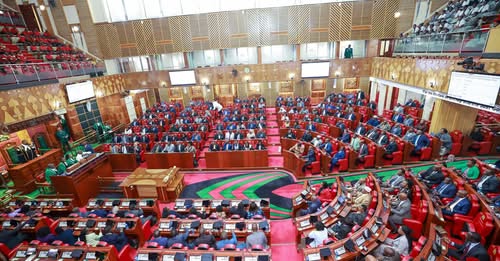
The National Assembly has passed the Quality Healthcare and Patient Safety Bill, 2025, setting the stage for one of the most far-reaching reforms of Kenya’s healthcare system in recent years, aimed at strengthening accountability, protecting patients’ rights and addressing persistent concerns over medical negligence across public, private and faith-based health facilities.
The legislation seeks to operationalize Article 43(1)(a) of the Constitution, which guarantees the right to the highest attainable standard of health, through the creation of a new regulatory and enforcement architecture designed to improve service delivery and restore public confidence in the health sector.
At the centre of the reforms is the establishment of the Quality Healthcare and Patient Safety Authority, an independent oversight body mandated to license, inspect and audit all medical institutions in the country. The authority is expected to take a more active enforcement role in ensuring compliance with safety standards, professional ethics and operational guidelines across the healthcare system.
The law also introduces a Unified Healthcare Tribunal, a specialized quasi-judicial mechanism tasked with handling medical malpractice and professional misconduct cases. The tribunal is intended to streamline dispute resolution, reduce lengthy court processes and ensure faster determination of complaints arising from alleged negligence or substandard care.
In addition, the legislation provides for the introduction of a national performance rating system that will publicly rank hospitals and medical facilities based on infrastructure quality, patient safety records and compliance history. The ratings are expected to enhance transparency in the sector and empower patients with information when choosing healthcare providers.
The new framework further expands regulatory oversight into emerging areas of healthcare delivery, including telemedicine and medical aesthetics, which will now fall under the same strict safety and compliance standards as traditional medical facilities. Regulators say this move is intended to close gaps in rapidly evolving segments of the health industry that have grown significantly in recent years but have, until now, operated under less defined regulatory structures.
Lawmakers who supported the Bill said the reforms are necessary to address longstanding challenges in Kenya’s healthcare system, including inconsistent service quality, delayed accountability in malpractice cases and uneven enforcement of clinical standards across counties and institutions.
The passage of the Bill is expected to trigger significant changes in how hospitals are inspected, how medical complaints are handled and how healthcare quality is measured and communicated to the public. It also signals a shift toward a more centralized and performance-driven regulatory model within the sector.
Once enacted into law, the new framework is expected to place increased responsibility on healthcare institutions to maintain higher safety standards or risk penalties, suspension of licences or public downgrading under the national rating system.
The Ministry of Health is expected to issue implementation guidelines once the Bill is signed into law, including timelines for setting up the new authority, operationalizing the tribunal and rolling out the national hospital rating system.
As the reforms move closer to full implementation, healthcare stakeholders, including professional associations, hospital administrators and patient rights groups, are expected to engage further on how the new system will be applied in practice and its potential impact on service delivery across the country.