


By ALFRED MATAZA, July 16, 2026
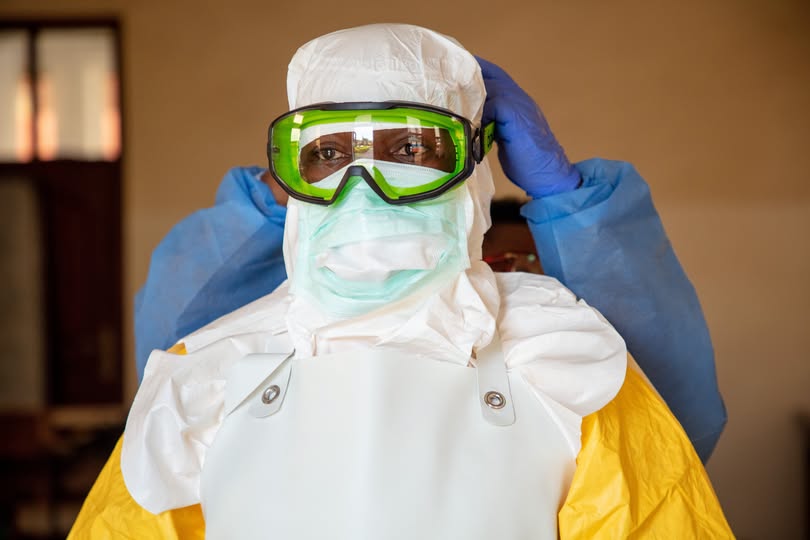
Global humanitarian medical organization Médecins Sans Frontières (MSF) has warned that the ongoing Ebola outbreak in the Democratic Republic of Congo (DRC) is the fastest-growing ever recorded, urging the international community to urgently scale up funding, medical personnel and containment efforts to prevent further spread.
In its latest outbreak assessment, MSF said the epidemic has expanded at an alarming pace, overwhelming response efforts just two months after it was officially declared.
According to the organization, confirmed Ebola infections have tripled within less than five weeks, with the total number of cases now exceeding 2,000. More than 700 people have died since the outbreak began, making it one of the deadliest public health emergencies currently facing Central Africa.
MSF identified Ituri Province in northeastern DRC as the epicentre of the outbreak, accounting for nearly 90 per cent of all confirmed infections. However, the virus has now spread beyond the initial hotspot into neighbouring provinces, including North Kivu, South Kivu and Tshopo, while cross-border cases have also been reported in Uganda, raising fears of wider regional transmission.
Health experts noted that the outbreak presents unique challenges because it is caused by the Bundibugyo strain of the Ebola virus, unlike previous outbreaks that were driven by the Zaire strain. Currently, there are no approved vaccines or targeted treatments specifically designed for the Bundibugyo virus, limiting available medical interventions.
MSF also reported that its 90-bed Elikiya Ebola Treatment Centre in Bunia has reached full capacity, forcing some suspected patients to remain at home while awaiting admission. The humanitarian organization warned that delayed isolation significantly increases the risk of household and community transmission.
The response has been further complicated by ongoing armed conflict, population displacement and insecurity across eastern DRC, which continue to disrupt surveillance operations, contact tracing and rapid response teams attempting to contain the virus.
In an effort to identify effective treatment options, clinical trials involving the experimental antiviral drug obeldesivir began in July 2026. Researchers are evaluating whether the medication can reduce infection among individuals exposed to confirmed Ebola cases.
MSF said response teams are increasingly finding themselves reacting to new infections instead of preventing them.
“We are chasing the outbreak instead of staying ahead of it,” the organization said, calling for an immediate increase in international financial support, deployment of additional health workers, expansion of laboratory testing, stronger community engagement and improved systems for safe and dignified burials.
Public health experts have also urged neighbouring countries to strengthen cross-border surveillance, enhance screening at ports of entry and improve preparedness measures to reduce the risk of regional spread as the outbreak continues to evolve.