


By Joshua Otieno | May 11, 2026
NAIROBI, KENYA — Treasury Cabinet Secretary John Mbadi has unveiled a Sh4.23 trillion budget for the 2025/2026 financial year, outlining sweeping tax reforms aimed at increasing disposable income, easing the cost of living, and strengthening revenue collection.
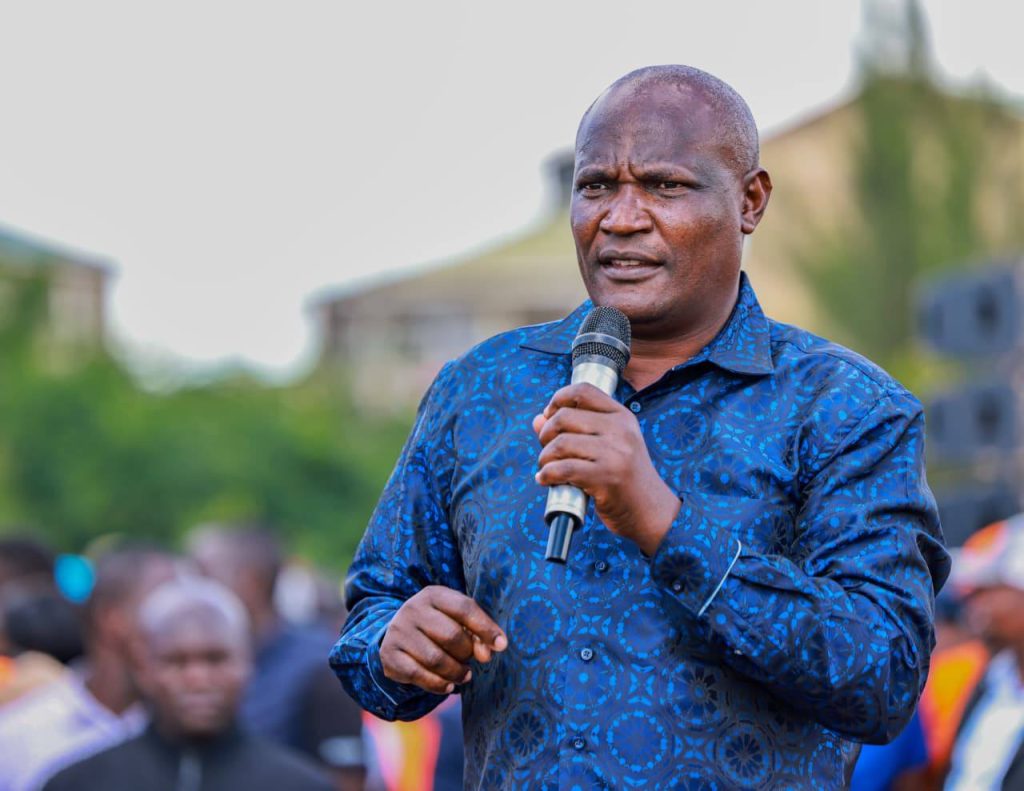
Speaking during the budget presentation, Mbadi said the government’s strategy is focused on stimulating economic growth without introducing additional taxes on essential consumer goods.
“Our focus is on broadening the tax base and sealing leakage points rather than overburdening the taxpayer with punitive rates,” Mbadi stated.
The Cabinet Secretary confirmed that the Finance Bill 2026 will not introduce new taxes on commonly used goods such as bottled water and mobile phones. He also announced the scrapping of the proposed 5 percent tax on second-hand clothes, popularly known as mitumba, following consultations with stakeholders.
In a major relief for workers, the Treasury has proposed raising the tax-free PAYE threshold from Sh24,000 to Sh30,000. Employees earning between Sh30,000 and Sh50,000 will also benefit from a reduced tax rate of 25 percent, down from the current 30 percent.
Under the proposed structure, workers earning Sh30,000 monthly would effectively pay zero PAYE, while those earning Sh50,000 could save up to Sh2,800 every month in tax deductions.
Mbadi further announced plans to gradually lower Value Added Tax from 16 percent to 14 percent and reduce corporate tax from 30 percent to 25 percent over the next three years as part of efforts to attract investment and stimulate private sector growth.
The Sh4.23 trillion spending plan allocates Sh3.1 trillion toward recurrent expenditure and Sh725.1 billion for development projects, while county governments are expected to receive Sh436.7 billion in transfers.
Despite the ambitious spending plan, the government projects revenues of Sh3.3 trillion, leaving a fiscal deficit of approximately Sh876 billion.
Mbadi disclosed that the Treasury is currently engaged in discussions with the International Monetary Fund to secure a new financial programme by July, aimed at cushioning the country against global economic shocks and helping bridge the funding gap.
However, while the proposed PAYE reforms are expected to increase take-home pay, many workers will continue facing rising statutory deductions under the Social Health Insurance Fund (SHIF), the Affordable Housing Levy, and the National Social Security Fund (NSSF).
For example, employees earning Sh30,000 monthly may save about Sh1,800 from reduced PAYE but will still face deductions including Sh1,800 for NSSF contributions, Sh825 for SHIF, and Sh450 under the Affordable Housing Levy.
Higher-income earners are also expected to contribute more toward healthcare due to the uncapped 2.75 percent SHIF deduction, replacing the former capped NHIF structure.
The proposed reforms form part of the government’s broader economic agenda aimed at increasing household purchasing power, improving compliance, and supporting long-term economic stability.