



By Fridah Mbuvi, June 11, 2026
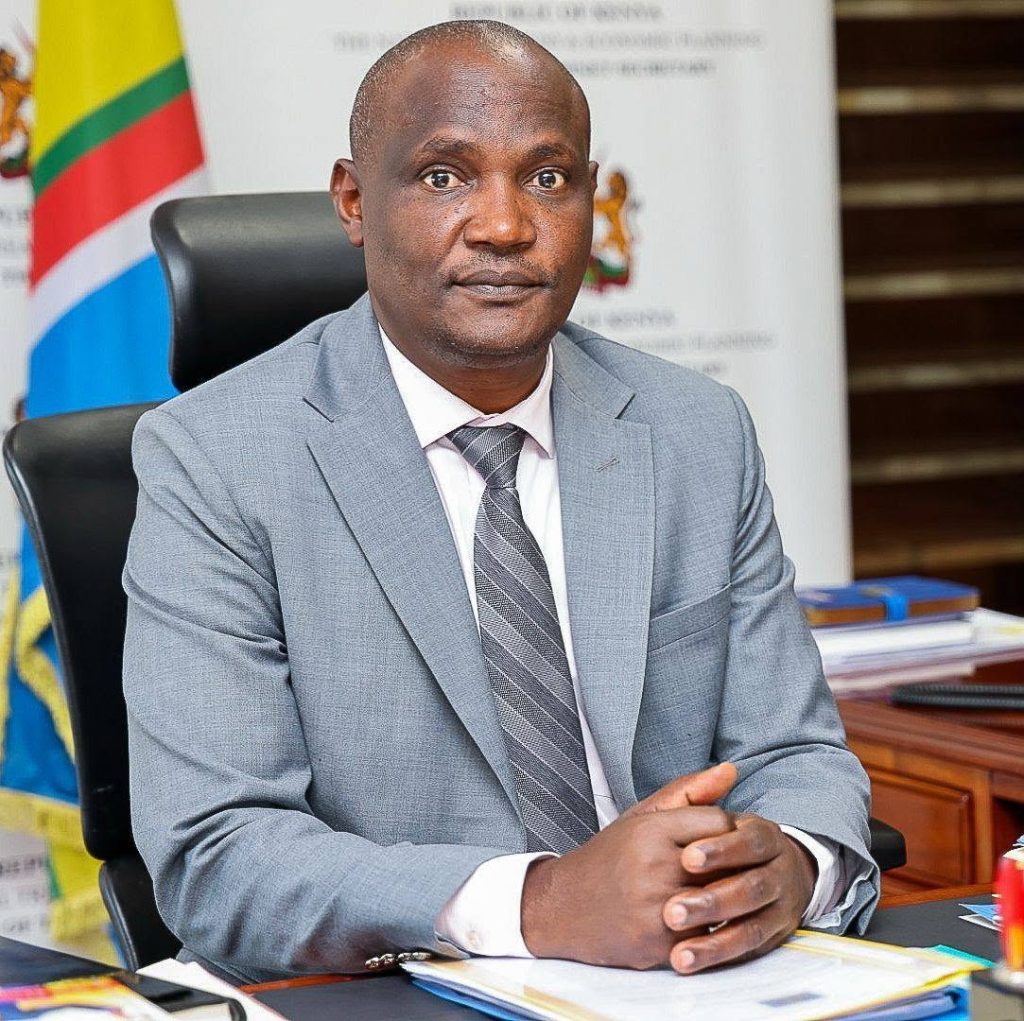
National Treasury Cabinet Secretary John Mbadi has defended the KSh4.84 trillion budget for the 2026/2027 financial year, saying it was crafted under extraordinary economic pressures arising from global instability, revenue shortfalls and persistent inflation.
Speaking after presenting the budget estimates, Mbadi said the government had been forced to adopt defensive fiscal measures to shield the economy from deeper shocks and maintain macroeconomic stability.
He cited the ongoing conflict in the Middle East, rising import costs, and a significant shortfall in tax collections as some of the major factors that shaped the country’s spending plan.
According to the Treasury, disruptions in key international shipping routes have increased the cost of petroleum products and industrial raw materials, contributing to higher import bills and exerting pressure on the Kenyan shilling. The rising cost of global commodities has also increased demand for the dollar, making external debt servicing more expensive.
At the same time, the Kenya Revenue Authority (KRA) missed its nine-month revenue target to March 2026 by KSh161.9 billion, creating a financing gap that pushed the country’s projected fiscal deficit to about KSh1.2 trillion.
To bridge the shortfall, the government plans to borrow KSh995.7 billion from the domestic market, the highest level of local borrowing in the country’s history. Economists have warned that excessive domestic borrowing could crowd out private sector investment by limiting access to affordable credit.
Mbadi also pointed to persistent inflationary pressures, saying they have continued to weaken consumer purchasing power and suppress business activity. Reduced spending by households has affected Value Added Tax collections, while high fuel prices and electricity costs have increased production expenses for local manufacturers.
Despite efforts by the Central Bank of Kenya to tame inflation through monetary policy interventions, the Treasury acknowledged that structural challenges continue to keep prices elevated.
In response, the government has rolled out a series of fiscal adjustment measures aimed at preserving economic stability without imposing new tax burdens on citizens.
Mbadi said ministries and state agencies have been directed to cut non-essential expenditure, including foreign travel, hospitality and other operational costs. He added that the government has suspended the commencement of new development projects and will instead prioritize the completion of ongoing projects that are more than 70 percent complete.
The Treasury is also intensifying efforts to enhance tax compliance through digital systems designed to curb tax evasion, particularly within the wholesale and manufacturing sectors.
Mbadi maintained that the measures are intended to protect the economy from external shocks while ensuring sustainable growth and maintaining fiscal discipline amid a challenging global environment.