



By Doris Moraa | July 20, 2026
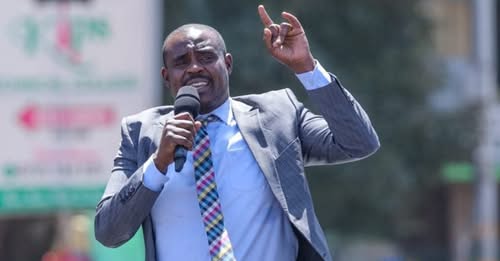
Former United Democratic Alliance (UDA) Secretary General Cleophas Malala has criticized former Malava Member of Parliament Malulu Injendi Panyako following his decision to defect to the ruling party, accusing him of pursuing personal political interests rather than addressing the needs of the people.
Speaking during a political engagement in Kakamega County, Malala questioned Panyako’s decision to join UDA, saying leaders should prioritize serving wananchi instead of shifting political allegiance for electoral advantage.
The criticism comes just days after Panyako officially announced his defection to the United Democratic Alliance, declaring that he will once again contest the Malava parliamentary seat in the 2027 General Election under the ruling party’s ticket.
Panyako said his decision to join UDA was informed by his desire to work closely with President William Ruto’s administration and support the government’s development agenda.
He expressed confidence that the ruling party would provide him with a strong platform to reclaim the parliamentary seat and accelerate development projects in Malava Constituency.
However, Malala dismissed the move, arguing that political parties should not be viewed merely as vehicles for securing elective positions.
He maintained that leaders should remain faithful to the ideals and promises they make to the electorate, adding that frequent party defections undermine public confidence in Kenya’s political system.
The former UDA Secretary General further accused some politicians of abandoning their previous political convictions whenever elections approach, saying such actions weaken issue-based politics and encourage opportunistic leadership.
Malala urged Malava residents to carefully scrutinize leaders seeking elective office ahead of the 2027 polls, emphasizing the need to elect individuals based on integrity, development records and commitment to public service rather than party affiliations.
The exchange highlights the growing political realignments taking shape across Western Kenya as leaders position themselves ahead of the next general election.
Political analysts note that the region is expected to witness heightened competition as parties seek to consolidate support and recruit influential leaders capable of strengthening their grassroots networks.
Panyako’s move to UDA is seen as part of the ruling party’s broader strategy to expand its influence in Western Kenya, a region that has traditionally been dominated by opposition parties.
The latest political developments are expected to intensify the race for the Malava parliamentary seat, with several leaders already positioning themselves for what is shaping up to be a highly competitive contest in 2027.
As campaigns continue to gather momentum, both Malala and Panyako are expected to play prominent roles in shaping the political landscape of Kakamega County and the wider Western Kenya region ahead of the next general election.