



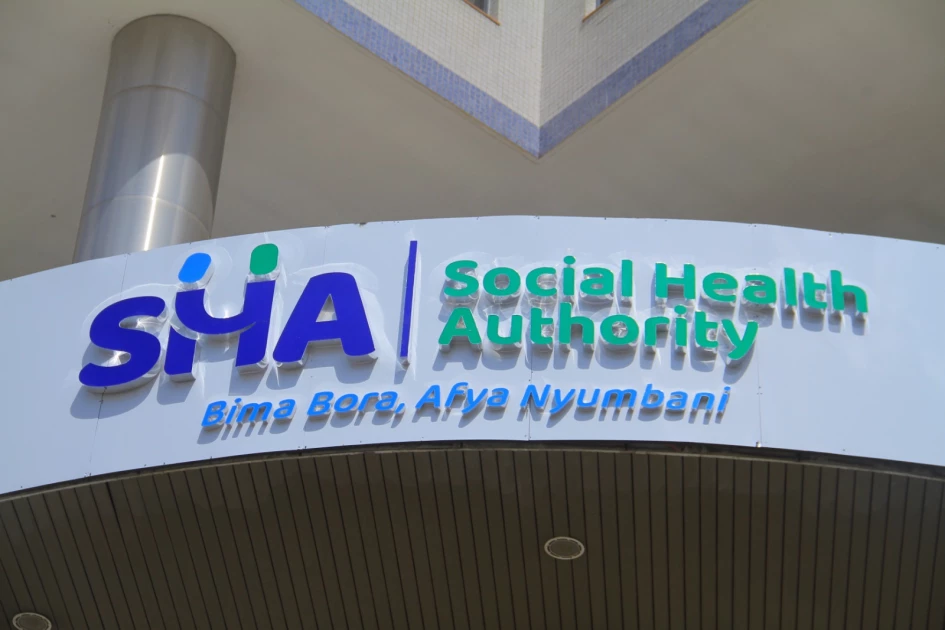

An intern teacher serving in a Junior Secondary School (JSS) in Kwale County has raised concerns over the financial burden facing teachers following the transition from the previous Minet medical scheme to the Social Health Authority (SHA), saying the new arrangement has left some educators struggling to access affordable healthcare.
The concerns come amid growing dissatisfaction among teachers and their unions over the implementation of the Mwalimu Comprehensive Medical Cover, which became operational under SHA on December 1, 2025, replacing the previous medical scheme administered through Minet.
Teachers have reported challenges including out-of-pocket payments, delays in accessing treatment, hospital rejections and concerns over reduced medical benefits, despite assurances from the government that the new arrangement would improve healthcare access.
Speaking about her experience, the Kwale-based intern teacher said her monthly take-home salary after deductions stands at approximately KSh 17,000, leaving her with limited resources to meet her daily expenses and other financial obligations.
“When all the deductions are made, it comes to around seventeen thousand and something. So, let’s just say it is 17K,” she said.
She explained that intern teachers are also required to have SHA registration and personal accident insurance as part of the internship requirements. The accident cover runs for one year and must be renewed when an internship contract is extended.
The teacher also questioned the extent to which educators were involved in decisions surrounding the transition to the new medical scheme, saying their views were not adequately considered.
Although she joined the internship programme this year, after the transition process had taken place, she said teachers were not fully involved in the consultations.
“They were not fully involved. There were opinions, but I don’t think the opinions really mattered at the time,” she said.
On the effectiveness of SHA, the teacher expressed dissatisfaction with the services covered, saying she had to pay for several medical procedures and laboratory services when she sought treatment earlier this year.
Comparing the current arrangement with the previous medical cover, she estimated that SHA meets only about 30 per cent of the healthcare expenses she expects to be covered.
“Right now, when we talk about SHA, or rather SHIF as they call it at the moment, it doesn’t cover so much. It covers something really small. If I have to give a percentage, I can say almost 30 per cent,” she said.
She further questioned why deductions had remained relatively constant despite what she considers a reduction in the range of medical services available to beneficiaries.
Her concerns mirror complaints raised by teachers across the country, with reports indicating that some educators have been forced to pay out of pocket for consultations, diagnostic tests, medication and specialised treatment that they expected the comprehensive cover to provide.
In April 2026, the Daily Nation reported complaints from teachers and civil servants over changes to medical cover limits, hospital access challenges and additional payments. Teachers’ union officials also raised concerns about outpatient restrictions and the handling of chronic illnesses.
The challenges have also prompted concerns from the Kenya National Union of Teachers (KNUT) and the Kenya Union of Post-Primary Education Teachers (KUPPET), with union representatives calling for improvements in service delivery and warning that the transition has not met the expectations of many beneficiaries.
The concerns have not been limited to individual teachers. In September 2026, the Ministry of Health, SHA and KUPPET held consultations to address challenges affecting the implementation of the Mwalimu Comprehensive Medical Cover.
The discussions focused on access to specialised treatment, oncology services, management of chronic illnesses, monthly prescriptions for priority conditions and other concerns raised by teachers.
The Ministry of Health said the parties had agreed to strengthen accountability through monthly implementation reports, prompt handling of complaints and action against healthcare facilities that fail to meet agreed service requirements.
Under the Mwalimu Comprehensive Medical Cover, benefits vary according to teachers’ job groups and include inpatient, outpatient and maternity services, alongside other specialised medical benefits. The scheme also provides cover for eligible dependants, including one spouse and up to five children, subject to the applicable eligibility conditions.
However, the teacher said some of her colleagues had encountered difficulties when seeking treatment at private hospitals, with some required to make substantial payments before receiving medical attention.
“I have my colleagues who’ve gone to especially these private hospitals, and they ended up paying out of pocket for almost everything,” she said.
She added that patients could still be required to pay for medication, laboratory tests and other services, making healthcare expensive despite their registration under the scheme.
“It almost still comes out of pocket. I told you, it’s about 30 per cent. So it means 70 per cent will come out of your pocket for you to get the services that you really want,” she added.
The concerns raise questions about the actual healthcare experience of teachers under the new arrangement, particularly those earning modest salaries and struggling to meet additional medical expenses.
For intern teachers, the financial pressure is compounded by their employment conditions, with the teacher’s account highlighting the difficulty of balancing their earnings, insurance requirements and the cost of accessing healthcare.
The concerns were raised by Miriam Onyancha, a Junior Secondary School (JSS) intern teacher serving in Kwale County.


