



By Erestinah Jane | July 8, 2026
The Kenya Literature Bureau (KLB) has appealed to Parliament to help recover Sh251.5 million in long-outstanding debts owed by government institutions, warning that delayed payments have significantly strained the state publisher’s financial position and disrupted its operations.
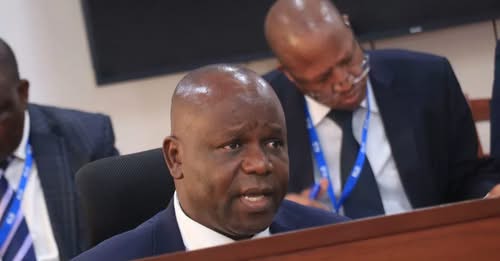
Appearing before the National Assembly Public Investments Committee on Governance and Education on Tuesday, July 7, KLB Managing Director George Okeyo told legislators that the bureau had exhausted all available avenues to recover the money but had made little progress because most of the debtors are fellow government entities.
Okeyo urged Parliament to support efforts to compel the institutions to settle their outstanding obligations, arguing that KLB has limited options when pursuing debts owed by public agencies.
“If we are allowed by the government to take drastic action against fellow government institutions, we would do so. We have used all the avenues available to KLB over the years, but we have failed to recover these debts,” Okeyo told the committee.
According to the Auditor General’s report, KLB has trade and other receivables amounting to approximately Sh1.05 billion, with Sh251.5 million remaining unpaid for more than 90 days. Management told lawmakers that the prolonged delays have weakened the bureau’s cash flow, making it difficult to finance its day-to-day operations and meet key financial obligations.
During the session, KLB Assistant Finance Manager Kenneth Adongo said a significant portion of the outstanding debt involves transactions with the Kenya Institute of Curriculum Development (KICD), which he said owes the bureau more than Sh1.3 billion through various commercial engagements. He noted that the delayed payments have tied up substantial operating capital that could otherwise be used to support publishing activities.
The bureau also attributed part of its financial challenges to frequent curriculum reforms, saying repeated changes in learning materials have left publishers and booksellers with large volumes of obsolete textbooks that can no longer be sold. Management argued that the rapid transition between curricula has increased inventory losses and complicated revenue recovery efforts.
Members of the parliamentary committee questioned KLB over reports that it had considered writing off some of the long-outstanding debts. Committee Chairperson Jack Wamboka Maungu cautioned against such a move, emphasizing that public institutions must remain accountable for funds owed to other government entities.
Maungu said government agencies should not be allowed to evade their financial obligations through debt write-offs, noting that doing so would undermine public financial management and accountability.
To address the growing backlog of pending bills, the committee directed its secretariat to summon the Council of Governors to explain delays in settling debts owed by county governments. Legislators also resolved to invite the Cabinet Secretary for the National Treasury to explain delayed exchequer disbursements, which they said have contributed to cash flow constraints affecting several state institutions.
The committee noted that resolving outstanding debts among public institutions is essential to improving financial sustainability and ensuring government agencies can effectively deliver services. It pledged to continue engaging the relevant stakeholders to find a lasting solution to the persistent problem of pending bills within the public sector.
KLB, one of Kenya’s oldest state-owned publishing houses, plays a central role in the production and distribution of educational materials across the country. The bureau warned that unless the outstanding debts are recovered, its ability to support curriculum implementation and educational publishing could remain under pressure.