


By Perez Karisa, June 26, 2026
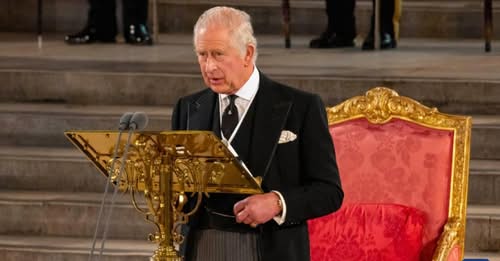
King Charles III has become the first reigning British monarch in modern history to publicly disclose the exact amount of personal tax he has paid, voluntarily revealing a tax bill of £12.9 million (approximately $17.04 million) for the 2024–2025 financial year.
The figures, published in the Royal Household’s Annual Financial Report on Thursday, place the King among the United Kingdom’s highest taxpayers and mark an unprecedented step towards financial transparency within the monarchy.
Although the British sovereign is legally exempt from paying income tax, King Charles voluntarily pays tax under a Memorandum of Understanding established with the government in 1993. Under the arrangement, the monarch pays the highest income tax rate of 45 percent on eligible private income.
The latest disclosure means the King has now paid more than £30 million in income and capital gains taxes since ascending to the throne in 2022, following the death of Queen Elizabeth II. During the previous financial year, he paid £11.7 million in taxes.
The King’s principal taxable income is generated through the Duchy of Lancaster, a privately owned estate comprising land, commercial property, agricultural holdings, and investment assets. The estate generated an annual private income of £25.2 million during the reporting period. Additional taxable income is derived from the King’s personal investments as well as the privately owned Balmoral and Sandringham estates.
In a further departure from longstanding royal practice, Prince William also disclosed his personal tax contributions for the first time. The Prince of Wales reported paying £7.76 million in taxes on income received from the Duchy of Cornwall, the hereditary estate traditionally held by the heir to the British throne.
The financial disclosures were accompanied by several major announcements aimed at modernizing the monarchy and reducing long-term public expenditure.
Among the most significant decisions is that King Charles and Queen Camilla will not take up permanent residence at Buckingham Palace after the completion of its £370 million refurbishment programme. Instead, they will continue living at Clarence House, a move officials said will reduce operational costs while allowing Buckingham Palace to remain more accessible to the public and visitors.
The Royal Household also announced changes to the Sovereign Grant, the taxpayer-funded allocation that supports the official duties of the monarchy. The grant is expected to temporarily rise to £137.9 million to complete ongoing structural renovation works before falling to a baseline of £100 million annually between 2027 and 2032, following a request by the King to reduce public expenditure.
In another cost-cutting measure, officials confirmed that the Royal Train, one of the monarchy’s most recognizable symbols of official travel, will be permanently retired from service by 2027 as part of broader efforts to modernize royal transport and improve operational efficiency.
The announcements reflect King Charles III’s continued push to reshape the British monarchy through greater financial transparency, fiscal restraint, and institutional modernization while maintaining its constitutional role in public life.