



By Mumo Judah
June 9, 2026
Kenya and the United States have officially activated the implementation of a landmark US$1.6 billion (KSh207 billion) Health Cooperation Framework, paving the way for a major overhaul of the country’s health systems and a gradual transition towards greater domestic ownership of critical healthcare programs.
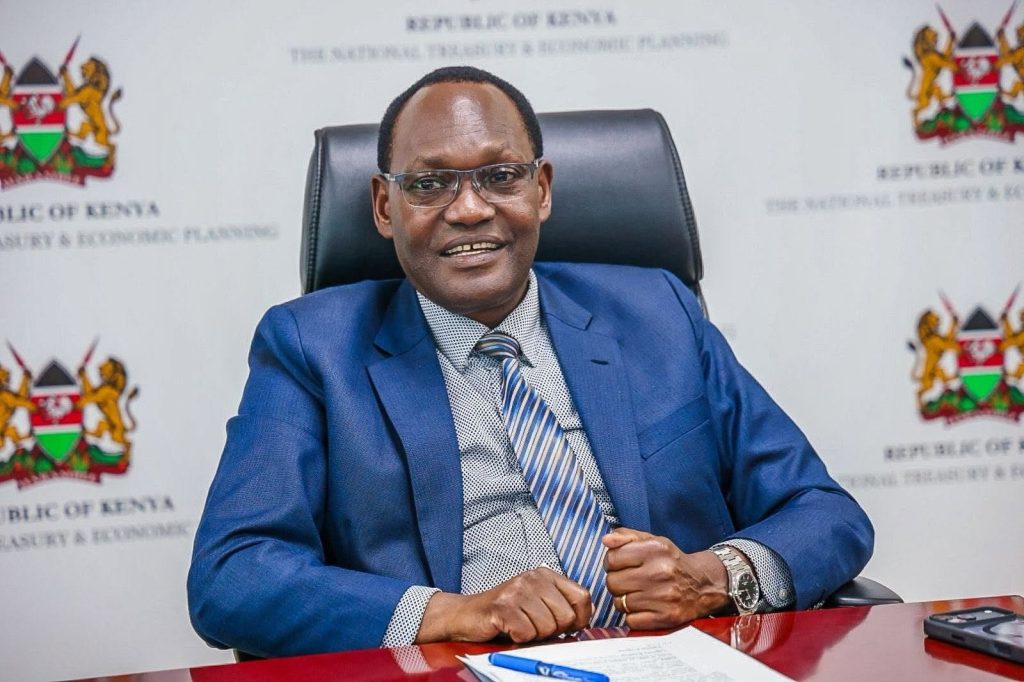
National Treasury Principal Secretary Dr. Chris Kiptoo announced the rollout following a bilateral meeting with U.S. Chargé d’Affaires Susan Burns, saying the activation comes after the Court of Appeal lifted a judicial freeze that had temporarily stalled the program.
The agreement, initially signed on December 4, 2025, marks the beginning of a five-year government-to-government partnership designed to strengthen healthcare delivery while deepening economic and development cooperation between Nairobi and Washington.
Speaking on the development, Dr. Kiptoo said the implementation of the framework represents a significant milestone in efforts to build resilient health systems and reduce overreliance on donor-driven structures.
“The Kenya-U.S. Health Cooperation Partnership represents a transformative five-year program aimed at strengthening health systems and deepening economic ties between our two countries,” Dr. Kiptoo said.
Unlike previous arrangements where funding largely flowed through non-governmental organizations and development agencies, the new framework channels resources directly to public institutions, a move aimed at improving accountability, efficiency and sustainability.
Under the partnership, the two governments will focus on strengthening disease surveillance systems to improve preparedness and response to infectious disease outbreaks, an area that gained prominence following the COVID-19 pandemic and recurrent regional health emergencies.
The program will also prioritize upgrading laboratory systems and diagnostic capabilities, enhancing procurement and distribution of essential medicines and health commodities, and modernizing digital health infrastructure to support the government’s Universal Health Coverage agenda.
A key pillar of the initiative is the gradual absorption of more than 28,000 frontline HIV and tuberculosis health workers into local payroll systems, a move intended to guarantee continuity of services and safeguard jobs as Kenya moves towards greater self-reliance in healthcare financing.
The implementation follows discussions between Kenyan and U.S. officials aimed at aligning health cooperation with broader strategic priorities under Washington’s “America First” Global Health Strategy, which emphasizes shared responsibility and long-term sustainability.
As part of the arrangement, Kenya has committed to mobilizing an additional US$850 million (about KSh110 billion) in domestic resources over the next five years. The co-financing model is expected to reduce dependence on foreign assistance and place the country on a path toward full financial and structural ownership of critical health systems by 2030.
The partnership comes at a time when global health financing is undergoing significant changes, with many countries increasingly being encouraged to strengthen domestic funding mechanisms amid shrinking donor budgets and shifting international priorities.
Health experts have long warned that Kenya’s HIV, tuberculosis and disease surveillance programs remain vulnerable to external funding fluctuations. The new arrangement is therefore expected to provide a more predictable and sustainable framework for financing essential health services.
U.S. Chargé d’Affaires Susan Burns reaffirmed Washington’s commitment to supporting Kenya’s health sector transformation, underscoring the longstanding partnership between the two countries in combating infectious diseases and strengthening public health systems.
The implementation of the agreement is expected to accelerate progress toward Universal Health Coverage, improve epidemic preparedness, and reinforce Kenya’s position as one of Africa’s leading health and research hubs.
The two governments expressed optimism that the partnership would not only enhance healthcare delivery but also strengthen broader economic ties and institutional cooperation between Kenya and the United States over the coming years.