



By Sadia Isa | February 26, 2026
The Kenya Medical Association (KMA) has endorsed the rollout of lenacapavir in Kenya as a new option for HIV prevention, while calling for rigorous HIV testing, strong safety oversight, and sustainable financing to maximise its public health benefits.
In a statement dated February 26, 2026, the association pointed to findings from the PURPOSE 1 and PURPOSE 2 studies, which demonstrated marked reductions in HIV acquisition among individuals using lenacapavir as pre-exposure prophylaxis (PrEP), compared to oral alternatives.
Who qualifies for lenacapavir?
KMA explained that lenacapavir is a long-acting injectable licensed for use as PrEP among individuals who are HIV-negative. The association cautioned that it must not be administered to people already living with HIV or those on antiretroviral therapy, as improper use could compromise future treatment options.
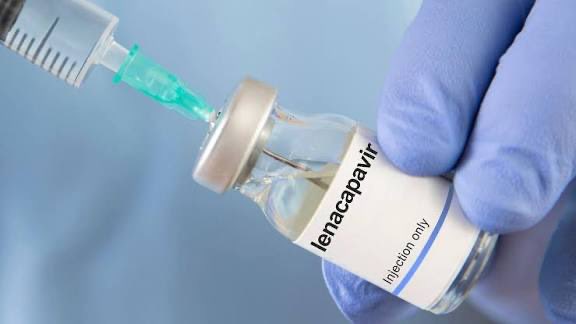
The injection is administered subcutaneously at a dose of 927mg, delivered as two injections every 26 weeks, following an oral loading dose.
Priority populations for eligibility assessment include men who have sex with men, people who inject drugs, sex workers, individuals in correctional or closed settings, trans and gender-diverse persons, and individuals in relationships or environments with increased HIV exposure risk.
Testing and combination prevention key
KMA stressed that HIV testing must remain central to PrEP delivery. It recommended the continued use of rapid diagnostic tests and HIV self-testing, aligned with injection schedules.
The association further advised that lenacapavir be rolled out as part of combination prevention strategies. These include screening for sexually transmitted infections (STIs) and hepatitis, hepatitis B vaccination, consistent condom use, and behavioural interventions.
It also called for inclusion of both public and private health facilities in rollout plans, alongside robust surveillance and pharmacovigilance systems to monitor breakthrough infections, resistance mutations, and safety outcomes, including targeted monitoring among pregnant women.
Caution on drug interactions
KMA warned clinicians to carefully screen patients for possible drug interactions. Medications of concern include rifamycins used in tuberculosis treatment, certain anticonvulsants, ketamine, and some erectile dysfunction drugs.
Financing and sustainability concerns
On financing, the association emphasised the need for sustainability from the outset, noting that Kenya’s HIV response has historically relied heavily on donor support.
As a potentially high-cost intervention, lenacapavir will require significant investment in procurement systems, supply chains, workforce training, pharmacovigilance mechanisms, and expanded HIV testing services.
KMA called for the integration of lenacapavir into national HIV financing frameworks, stronger domestic resource mobilisation, and strategic price negotiations and pooled procurement to enhance affordability.
Public awareness remains critical
Health experts have also underscored the importance of public education as the injection becomes available in parts of Africa.
While lenacapavir offers protection against HIV when properly administered, it does not prevent pregnancy or other STIs such as syphilis, gonorrhoea, or hepatitis B. Users are therefore advised to continue practising safe sex, including consistent condom use.
Additionally, individuals must test negative for HIV before initiating PrEP. Taking the drug while unknowingly HIV-positive could increase the risk of developing drug-resistant strains of the virus. Lenacapavir is strictly for prevention and is not a cure for HIV.
As Kenya prepares for wider access, stakeholders say careful implementation, sustained funding, and strong monitoring systems will determine whether the long-acting injectable transforms the country’s HIV prevention landscape.