



By Martha Okoth | February 26, 2026
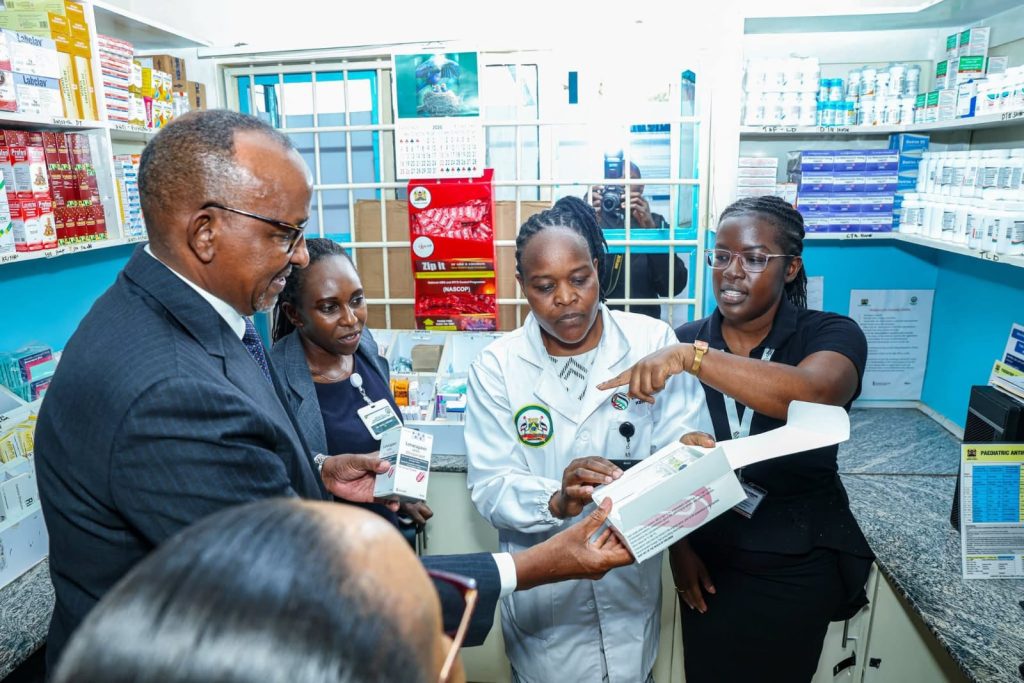
NAIROBI, KENYA — In a major milestone for HIV prevention, Cabinet Secretary for Health Aden Duale on Wednesday officially launched the long-acting injectable HIV pre-exposure prophylaxis (PrEP), Lenacapavir, marking the first phase of its national rollout.
The launch underscores Kenya’s renewed commitment to ending the HIV epidemic through innovative, people-centred prevention strategies that expand choice and improve adherence among populations at higher risk of infection.
The event brought together key health sector leaders, including Principal Secretary for Medical Services Ouma Oluga, National AIDS and STI Control Programme (NASCOP) CEO Andrew Mulwa, and Director of Family Health Issak Bashir. Dagoretti North MP Beatrice Elachi was also present.
Development partners attending included representatives from the Global Fund, UNAIDS, World Health Organization, the United States Government, and the AIDS Healthcare Foundation (AHF).
Speaking at the launch, CS Duale described Lenacapavir as a “game-changer” in HIV prevention, noting that the long-acting injectable offers a discreet, convenient, and highly effective option for individuals who may struggle with daily oral PrEP.
“By expanding access to long-acting prevention methods, we are moving closer to our vision of a generation free from HIV,” Duale said.
NASCOP CEO Dr. Mulwa said Kenya’s HIV response continues to evolve toward tailored and patient-centred solutions.
“Long-acting injectable PrEP complements our existing prevention tools and provides a powerful alternative for people who find daily medication challenging,” he said.
Health experts at the event noted that the introduction of Lenacapavir is expected to improve adherence, widen prevention coverage, and significantly reduce new HIV infections, especially among key and vulnerable populations.
As the first phase of the rollout begins, stakeholders reaffirmed their commitment to supporting public awareness, equitable distribution, and access to ensure that those most at risk can benefit from the new, life-saving intervention.