


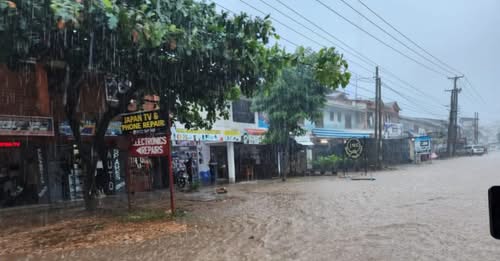

By Erestinah Jane, June 30, 2026
Kenya has been listed among 22 countries facing a high risk of severe humanitarian impacts from the developing 2026 Super El Niño, with the United Nations warning that the weather phenomenon could trigger widespread flooding, prolonged dry spells, food insecurity and disease outbreaks over the coming months.
The alert was issued jointly by the Food and Agriculture Organization (FAO) and the World Food Programme (WFP), which identified Kenya as one of the countries requiring urgent preparedness measures as forecasts point to one of the strongest El Niño events in recent years.
According to the World Meteorological Organization (WMO) and the Kenya Meteorological Department (KMD), there is an estimated 80 to 82 per cent probability that El Niño conditions will strengthen significantly by the middle of the year. Meteorologists further project a 90 to 96 per cent chance that the phenomenon will persist through late 2026 and into the first months of 2027.
Experts say the changing weather pattern is expected to bring contrasting climatic conditions across the country, beginning with below-average rainfall in several regions before transitioning into exceptionally heavy rains later in the year.
Between June and August, western Kenya and parts of the Rift Valley are expected to experience suppressed rainfall and prolonged dry conditions, increasing the likelihood of crop failure, reduced pasture for livestock and declining water levels in rivers and reservoirs. Agricultural experts warn that delayed rainfall during this period could disrupt planting seasons, lower food production and worsen the effects of drought already being experienced in some counties.
The situation is expected to change dramatically during the October to December short rains season when the El Niño phenomenon combines with a positive Indian Ocean Dipole (IOD), a climate pattern associated with warmer-than-normal ocean temperatures in the western Indian Ocean. The interaction of the two systems is expected to generate above-normal rainfall across much of Kenya, significantly increasing the risk of floods.
Meteorologists have identified low-lying flood plains, river basins and urban centres with poor drainage systems as the areas most vulnerable to flooding. Counties along the Tana River basin, the Lake Victoria region, parts of the Coast and major urban centres, including Nairobi, are expected to face heightened flood risks if rainfall intensifies as projected.
In addition to flooding, authorities are warning communities living in the Central Highlands, the Aberdare ranges, Mount Kenya region and sections of the Rift Valley escarpment to prepare for possible landslides and mudslides caused by saturated soils.
The anticipated weather extremes pose significant risks to Kenya’s economy, particularly the agriculture sector, which remains heavily dependent on rainfall. Floodwaters could destroy crops, wash away fertile topsoil, damage irrigation systems and drown livestock, while prolonged dry spells earlier in the season may reduce harvests and increase pressure on food supplies.
Humanitarian agencies have also raised concerns over the potential spread of waterborne and vector-borne diseases. Flooding often contaminates drinking water sources, increasing the risk of cholera and other diarrhoeal diseases. At the same time, stagnant water left behind after heavy rains creates ideal breeding grounds for mosquitoes, heightening the threat of malaria, dengue fever and Rift Valley Fever.
Infrastructure is also expected to face considerable strain, with roads, bridges, schools, health facilities and electricity networks likely to be affected in areas prone to flooding. Previous El Niño episodes in Kenya have caused widespread destruction, displaced thousands of families and resulted in billions of shillings in economic losses.
To reduce the anticipated impact, the United Nations has launched a Joint Anticipatory Action Appeal seeking approximately $202 million (about KSh22.6 billion) to protect an estimated 8.8 million vulnerable people across the 22 countries identified as being at greatest risk. The funding will support early warning systems, emergency food assistance, flood mitigation measures, protection of livelihoods and strengthened health interventions before the worst effects of the weather phenomenon are felt.
In Kenya, both national and county governments have begun implementing preparedness measures. In Nairobi, the county government has deployed more than 3,500 youth under the Green Nairobi initiative to unblock drainage systems, remove garbage from waterways and improve stormwater channels ahead of the expected heavy rains. Disaster management agencies have also intensified public awareness campaigns, urging residents living in flood-prone areas to remain vigilant and heed evacuation advisories whenever necessary.
Meteorological experts continue to monitor ocean temperatures and atmospheric conditions, noting that while forecasts may be refined over the coming months, current climate models strongly indicate that Kenya should prepare for a period of significant weather extremes that could have far-reaching humanitarian, environmental and economic consequences.