



By JOSHUA OTIENO, June 18, 2026
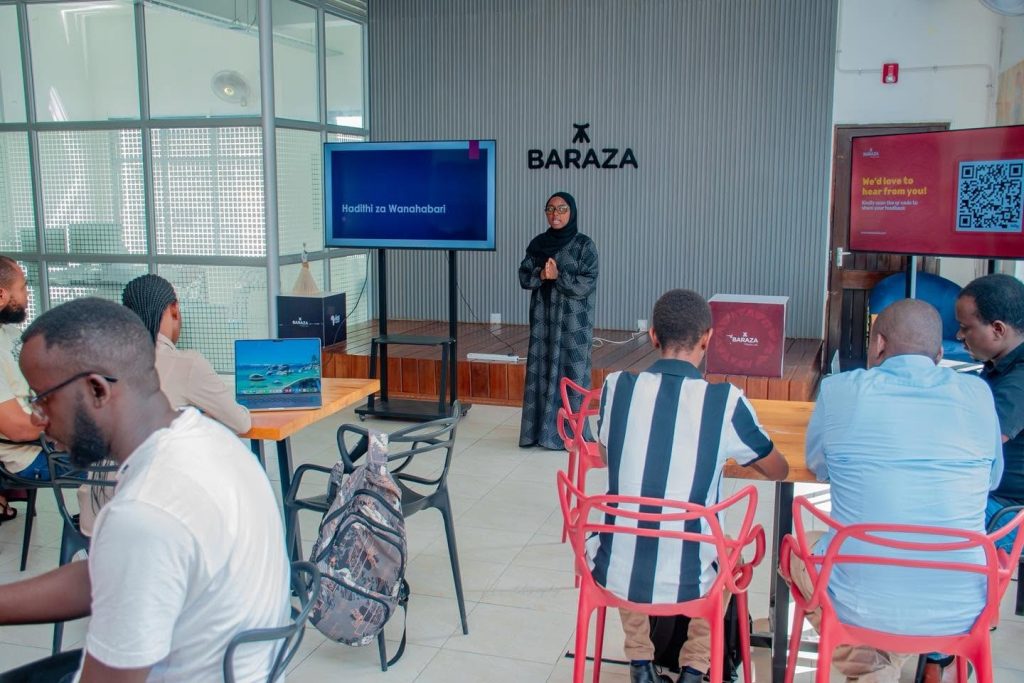
MOMBASA, KENYA — Twenty journalists from Mombasa are participating in a two-day intensive training programme aimed at enhancing their understanding of copyright, media law and intellectual property rights as the media industry continues to evolve in the digital era.
The programme, dubbed Hadithi za Wanahabari, is being implemented through a partnership between MMS Advocates and the Mombasa Press Club. The initiative seeks to equip journalists with practical legal knowledge to protect their work, navigate emerging media challenges and strengthen professionalism within the industry.
Speaking during the training, participants were encouraged to familiarize themselves with the legal protections available to content creators and media practitioners.
Rajab Salim, Events and Communications Coordinator at Baraza Media Lab, emphasized the importance of legal awareness among journalists.
“There is a need for journalists to understand where their rights begin and where they end. Every day journalists are out in the field looking for stories, but nobody talks about their mental health or the legal protection of the work they produce,” said Rajab Salim.
The training comes amid growing concerns over unauthorized use of journalistic content, copyright violations and the impact of rapidly changing technologies on media ownership and revenue generation.
Participants are receiving practical guidance on Kenya’s Copyright Act, including ways of protecting investigative stories, photographs, video productions and digital content from piracy and unauthorized reproduction.
The programme also explores defamation law and helps journalists understand the delicate balance between public interest reporting and content that may expose them to legal liability.
Advocate Felicious Solomon Tunje noted that legal literacy is becoming increasingly important in modern journalism.
“We want journalists to distinguish between bold reporting in the public interest and content that may expose them to defamation suits. Knowledge of media law is critical in today’s newsroom,” said Tunje.
The sessions further cover intellectual property licensing, content syndication agreements and contract negotiations to help journalists secure fair compensation for their work and protect their professional interests.
Organizers observed that the rise of artificial intelligence, digital content aggregators and automated content scraping technologies has created new challenges for media practitioners whose work is increasingly vulnerable to unauthorized exploitation.
“We must adapt to the digital age. Artificial intelligence and online platforms are changing how content is consumed and shared, and journalists need to understand how to protect their intellectual property rights,” Tunje added.
According to the organizers, the programme aims to strengthen the resilience of the media sector by helping journalists identify copyright infringements early, understand available legal remedies and negotiate fair terms for the use of their content.
Intellectual property expert Advocate Lilian Makanga also stressed the importance of copyright awareness in protecting creative works from misuse and exploitation.
Makanga noted that many creators, journalists and artists lose income and ownership rights because they fail to formally register their work, limiting their ability to benefit fully from their creativity.
She urged media practitioners to take proactive legal steps to safeguard their content and avoid future disputes through proper registration and documentation.
Makanga further called on institutions responsible for copyright administration to strengthen digital services and expand public awareness campaigns to improve understanding of intellectual property rights, particularly in a rapidly evolving digital environment.
Participants expressed optimism that increased legal literacy would not only protect journalists from legal risks but also support stronger investigative reporting and more sustainable careers, especially for independent media practitioners.
Organizers believe the programme will contribute to the long-term growth of the regional media industry by ensuring journalists are better equipped to protect both their work and their rights in the digital age.