


By Brian Said Iha
July 9, 2026
Kenya’s HIV treatment programme has come under renewed scrutiny after civil society organizations and the National Empowerment Network of People Living with HIV/AIDS in Kenya (NEPHAK) alleged that shortages of essential antiretroviral (ARV) medicines have forced some health facilities to dispense expired drugs to patients.
The claims have intensified concerns over the country’s HIV response, particularly after reports emerged of shortages affecting drugs used to prevent mother-to-child transmission of HIV. However, the Kenya Medical Supplies Authority (KEMSA) and the National AIDS and STIs Control Programme (NASCOP) have denied that the country is experiencing a nationwide stockout of ARVs.
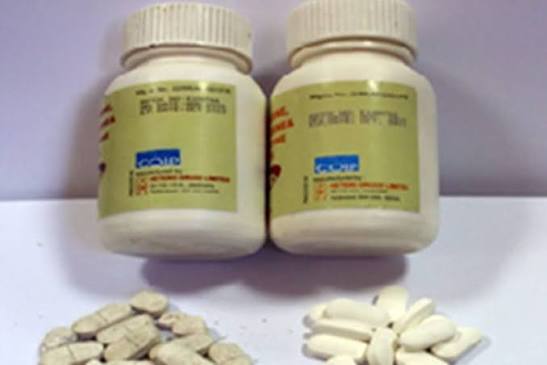
According to NEPHAK and other advocacy groups, some clinics have allegedly distributed batches of Tenofovir/Alafenamide/Lamivudine/Dolutegravir (TAFLD) that expired in May 2026. The organizations argue that patients may be taking expired medication without their knowledge, raising fears over treatment effectiveness and patient safety.
Healthcare workers have also reported shortages of liquid Nevirapine and Zidovudine, medicines widely used to prevent HIV transmission from mothers to newborns. The reported shortages have disrupted the standard two-week prophylaxis regimen administered to infants born to HIV-positive mothers in some facilities.
The allegations come amid wider concerns over the management of medical supplies following an Auditor-General’s report indicating that medicines worth more than Sh376 million, including HIV and cancer drugs, expired in KEMSA warehouses due to distribution challenges.
Health sector stakeholders have also linked the current pressure on HIV programmes to funding constraints following the suspension of transitional health support previously provided through the United States Agency for International Development (USAID), leaving some public health facilities struggling to maintain adequate medicine supplies.
Medical experts have warned that interruptions in antiretroviral treatment or the use of expired medicines could have serious consequences. Reduced drug potency may allow the virus to multiply, increasing the risk of viral rebound and weakening patients’ immune systems.
They further caution that inconsistent treatment could contribute to the development of drug-resistant HIV strains, potentially limiting the effectiveness of existing first-line therapies and increasing the cost and complexity of treatment.
The reported shortages of infant prophylaxis drugs have also raised concerns that Kenya’s progress in reducing mother-to-child transmission of HIV could be undermined if vulnerable newborns are unable to receive timely preventive medication.
Despite the growing concerns, KEMSA and NASCOP maintain that the national supply chain remains stable and have dismissed claims of a countrywide shortage, insisting that any challenges being experienced are localized and are being addressed through routine redistribution of available stocks.
Health rights organizations have nevertheless called for greater transparency in the management of HIV commodities and urged the Ministry of Health to conduct an independent assessment of medicine availability across the country to reassure patients and safeguard uninterrupted access to life-saving treatment.