



By Saad Salim, 19 ,October 2026
Kenya’s Ministry of Health is calling for stronger collaboration with religious leaders to promote healthy practices, counter health misinformation and strengthen disease surveillance and contact tracing as part of efforts to protect communities from infectious diseases such as Ebola and Mpox.
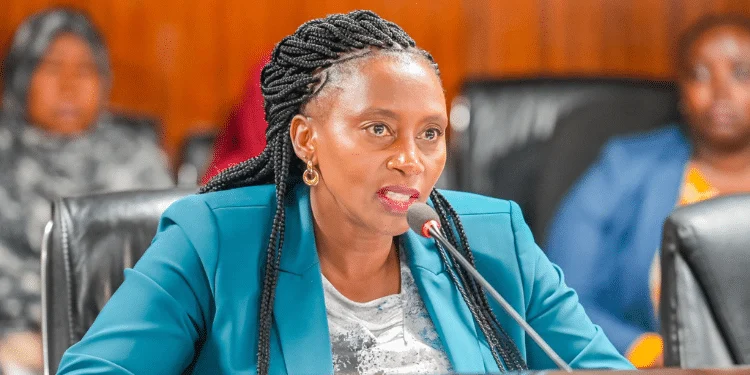
Public Health Principal Secretary Mary Muthoni has emphasized the important role played by faith leaders in communicating accurate health information and encouraging communities to cooperate with public health authorities.
Religious institutions, including churches, mosques and other faith-based organizations, have extensive community networks that can help disseminate verified health messages, identify suspected cases early and encourage people to seek medical attention when symptoms develop.
The government’s call highlights the need to address misinformation that can undermine disease prevention and control efforts.
Through sermons, religious gatherings and community outreach programmes, faith leaders can help educate their followers about disease symptoms, prevention measures and the importance of following guidance issued by health authorities.
Providing accurate information is particularly important during disease outbreaks, when rumours and misleading claims may cause fear, delay treatment or discourage people from cooperating with health workers.
Collaboration between health officials and faith-based organizations can also support early detection and reporting of suspected infections.
Religious leaders can encourage individuals experiencing concerning symptoms to seek medical assessment and can help communities understand the importance of cooperating with trained public health teams.
Contact tracing is another essential component of outbreak response. It enables health authorities to identify and monitor people who may have been exposed to an infected person and provide appropriate guidance.
However, suspected cases and potential contacts should be assessed and managed by qualified health professionals in accordance with official public health protocols.
Members of the public are encouraged to follow guidance from the Ministry of Health and take appropriate precautions to reduce the risk of infection.
Recommended measures include:
- Washing hands regularly with soap and running water or using an appropriate hand sanitiser.
- Avoiding direct contact with the blood and other body fluids of people who may be infected.
- Seeking medical attention promptly when experiencing symptoms associated with a suspected infection.
- Avoiding direct contact with the bodies of people who may have died from a suspected infectious disease and allowing trained teams to manage safe and dignified burial procedures.
- Obtaining health information from official and credible sources rather than relying on unverified social media posts.
Ebola can spread through direct contact with the blood or body fluids of an infected person or someone who has died from the disease. Mpox can spread through close physical contact with an infected person, contaminated materials and, in some circumstances, infected animals.
Beyond outbreak preparedness, religious institutions can help raise awareness of Kenya’s Social Health Authority (SHA) and encourage eligible community members to understand registration procedures and available health coverage.
Through community meetings and outreach activities, faith leaders can help connect families with reliable information about accessing healthcare services.
The involvement of faith-based organizations may therefore support both emergency public health responses and broader efforts to improve access to healthcare.
The collaboration between the Ministry of Health, county governments, healthcare providers and religious institutions is an important part of building public trust and strengthening preparedness for infectious disease threats.
Health authorities and community leaders are encouraged to maintain open communication, share verified information and promote early reporting of suspected illnesses.
As Kenya continues to strengthen its public health systems, community participation remains essential to ensuring that accurate information reaches households and that people know where to seek help when health concerns arise.