



By Mumo Judah
Laikipia, Kenya, May 31, 2026
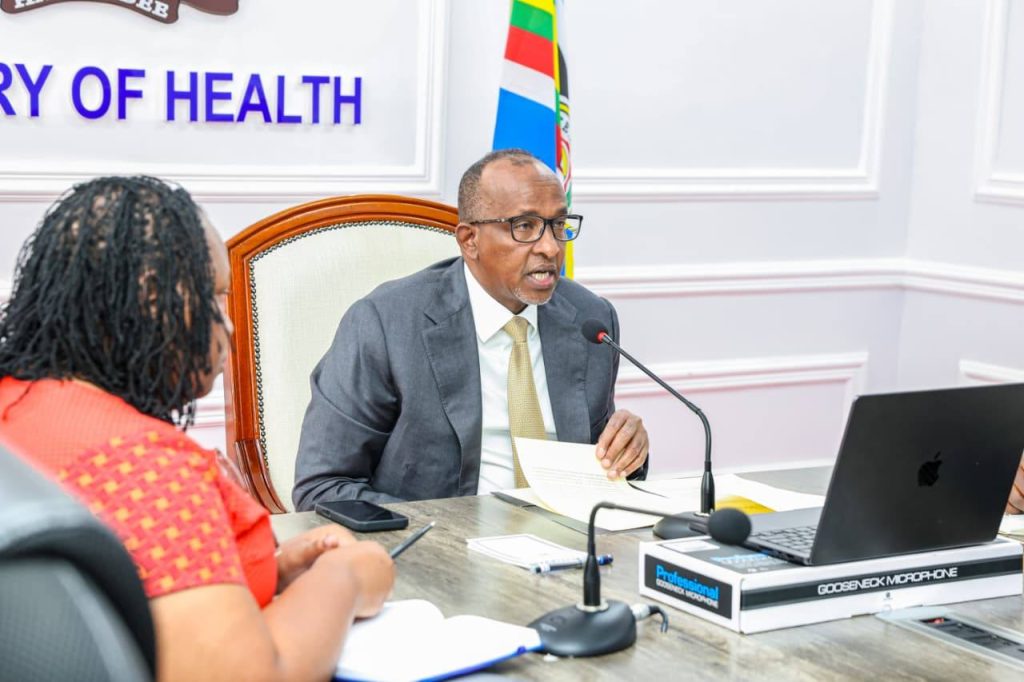
Health Cabinet Secretary Aden Duale has defended the government’s decision to partner with the United States in establishing an Ebola response facility at Laikipia Airbase, saying the project is intended to strengthen Kenya’s disease preparedness and emergency response capabilities amid rising regional health threats.
The CS sought to address growing public concern and political controversy surrounding the planned facility, which has sparked debate over biological security risks, transparency in government decision-making, and the role of foreign partners in Kenya’s healthcare system.
Speaking during a series of media briefings, Duale dismissed claims that the facility would be used exclusively to accommodate American citizens exposed to Ebola. He said the proposed 50-bed facility is designed to serve both Kenyan and American nationals, particularly military personnel operating in regions where the risk of Ebola exposure remains high.
Duale explained that the installation will be a military-managed facility under the direct control of the Kenya Defence Forces (KDF), adding that it forms part of a broader national strategy aimed at enhancing the country’s ability to respond rapidly to infectious disease outbreaks.
The Health CS further revealed that the partnership includes KSh1.75 billion in funding from the United States government, which will be directed towards strengthening Kenya’s emergency response systems, laboratory networks, disease surveillance mechanisms, and diagnostic capabilities. According to Duale, the investment will not only support the Laikipia facility but will also improve preparedness across the country’s healthcare infrastructure.
He noted that the Laikipia facility is part of a wider network of isolation and treatment centres that includes dedicated units at Kenyatta National Hospital, Moi Teaching and Referral Hospital, and the Kenya National Police Hospital. The government argues that these facilities are necessary to ensure Kenya remains prepared for future outbreaks and emerging health emergencies.
The controversy surrounding the project has emerged as East Africa faces increasing concern over the spread of the Bundibugyo strain of Ebola in neighbouring countries. The World Health Organization has classified the outbreak affecting parts of the Democratic Republic of Congo and Uganda as a major international public health concern, prompting governments across the region to strengthen surveillance and preparedness measures.
Although Kenya has not reported any confirmed Ebola cases, health authorities have maintained a heightened state of vigilance due to the country’s strategic position as a regional transport and commercial hub. Officials say the risk of cross-border transmission cannot be ignored and that preparedness remains the country’s best defence against a potential outbreak.
Despite the government’s assurances, the project has faced significant opposition from civil society groups, healthcare workers, and some political leaders. Critics have questioned the process through which the agreement was reached and have demanded greater transparency regarding its operational details, environmental impact, and long-term implications.
The debate intensified after the Katiba Institute moved to court seeking to halt implementation of the project. The High Court subsequently issued temporary orders suspending the agreement pending a hearing scheduled for June 2, 2026. The petition argues that the government failed to conduct adequate public participation and parliamentary consultation before entering into the arrangement.
Healthcare workers have also expressed concerns over the proposed facility. The Kenya Medical Practitioners, Pharmacists and Dentists Union (KMPDU) has threatened nationwide industrial action, warning that the country must first address longstanding challenges within the public healthcare sector before taking on additional responsibilities associated with managing highly infectious diseases.
Union officials have cited concerns over biological safety, staffing levels, infrastructure preparedness, and the potential strain on already overstretched public health facilities. They have called for comprehensive risk assessments and greater engagement with frontline healthcare workers before the project proceeds.
Meanwhile, Parliament has moved to scrutinize the agreement, with the Parliamentary Health Committee summoning CS Duale to provide a detailed explanation of the partnership, its funding arrangements, operational framework, and compliance with constitutional and legal requirements.
Lawmakers are expected to seek answers on whether the project underwent sufficient oversight and whether it aligns with Kenya’s broader healthcare priorities and national interests.
As the legal battle, political debate, and public scrutiny continue, the future of the Laikipia Ebola response facility remains uncertain. Government officials insist the project is a critical investment in national health security, while critics maintain that questions surrounding transparency, safety, and accountability must be fully addressed before construction and operations can proceed.
The outcome of the upcoming court proceedings and parliamentary reviews is likely to play a decisive role in determining whether the project moves forward and how Kenya balances the demands of regional health preparedness with public concerns over governance and national sovereignty.