


By Timothy Nzai,
Thursday, June 5, 2026
Director-General for Health Dr. Patrick Amoth has underscored the critical role of strategic communication in supporting malaria control efforts and improving public health outcomes across the country.
Speaking during a strategic communication meeting on malaria control organized by Defrontera Media, Dr. Amoth said timely, accurate, and evidence-based communication remains essential in promoting positive behaviour change, strengthening public trust, and supporting disease prevention and control initiatives.
Dr. Amoth noted that malaria control programmes continue to face a number of emerging challenges, including changing disease patterns, the emergence of new mosquito species, and resource constraints that affect the implementation of public health interventions.
“Strategic communication is a key pillar in disease prevention and control. Timely and accurate information helps communities make informed decisions and supports positive behaviour change that ultimately improves health outcomes,” said Dr. Amoth.
He further observed that declining donor support and widening funding gaps are making it increasingly difficult to sustain malaria control programmes and other critical health initiatives.
According to the Director-General, there is an urgent need to strengthen domestic resource mobilization to ensure that essential public health programmes remain operational and effective in protecting communities from preventable diseases.
Dr. Amoth also highlighted the important role played by the media in advancing public health objectives, describing journalists and communication professionals as key partners in translating complex health information into messages that are easily understood by the public.
“The media remains an important partner in public health because it helps bridge the gap between scientific information and the public. Effective communication is critical in building trust and ensuring communities respond appropriately to health interventions,” he said.
He stressed that maintaining public confidence in health programmes is vital, particularly during disease outbreaks and other health emergencies, where misinformation can undermine response efforts.
The Director-General further emphasized the importance of effective crisis communication strategies, noting that clear, consistent, and credible information can help manage public concerns and support coordinated responses during emergencies.
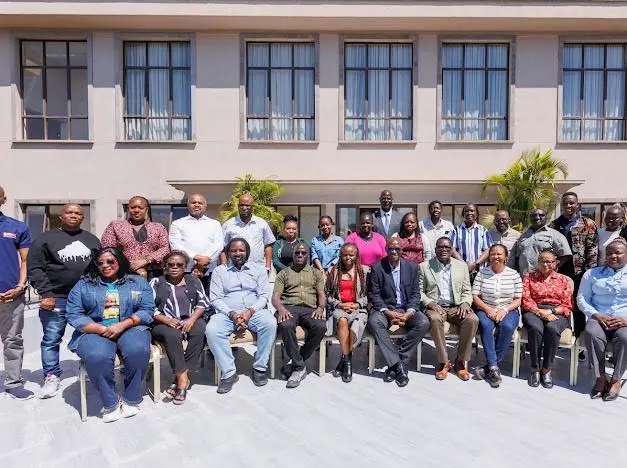
The meeting brought together key stakeholders involved in malaria control and public health communication, including Dr. Joel Gondi, Director of Primary Health Care in the State Department of Public Health and Professional Standards; Dr. Kibor Keitany, Head of the National Malaria Control Program; Dr. Ndinda Kusu from JHPIEGO; and Defrontera Media Chief Executive Officer Vera Okeyo.
Participants discussed opportunities for strengthening partnerships between health experts, government agencies, development partners, and media organizations to enhance public awareness, improve health literacy, and support ongoing malaria prevention and control efforts.
The forum also explored strategies for addressing misinformation, improving community engagement, and ensuring that health messages reach vulnerable populations most affected by malaria and other public health challenges.
Kenya continues to make progress in the fight against malaria, but health experts maintain that sustained investment, strong partnerships, and effective communication will remain critical in reducing infections and improving health outcomes nationwide.