



By Perez Karisa, June 24, 2026
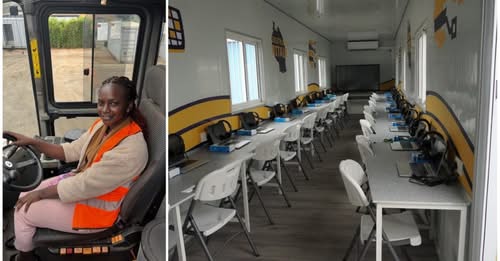
A DigiTruck is a mobile, solar-powered digital classroom built from a refurbished 40-foot shipping container mounted on a trailer, designed to extend access to technology, internet connectivity, and digital literacy training to remote and underserved communities.
The innovation is increasingly being deployed as part of broader efforts to close the digital divide in rural areas, informal settlements, refugee camps, and hard-to-reach regions where traditional ICT infrastructure remains limited or nonexistent.
At its core, the DigiTruck functions as a fully equipped mobile computer laboratory. Inside the unit, learners are provided with access to laptops, smartphones, interactive smart screens, virtual reality headsets, and high-speed wireless internet connectivity. This setup enables hands-on training in modern digital skills comparable to those offered in urban learning institutions.
A key feature of the DigiTruck is its complete reliance on renewable energy. High-efficiency solar panels mounted on the roof generate all the power needed to operate the facility, ensuring uninterrupted learning even in areas without electricity. This makes the unit both environmentally sustainable and operationally independent.
Built from a reinforced shipping container structure, the DigiTruck is engineered for durability and mobility. It can withstand harsh terrain conditions, allowing it to be transported to remote villages, arid regions, displacement camps, and under-resourced schools. Its rugged design ensures it remains functional in challenging environments while maintaining a secure learning space inside.
Beyond its physical infrastructure, the DigiTruck is widely viewed as a strategic development tool aimed at empowering communities economically. Training programs delivered through the mobile classroom focus on essential ICT skills such as computer literacy, internet safety, basic coding, digital marketing, and online entrepreneurship.
Participants are also introduced to e-commerce platforms, mobile financial services, and digital job opportunities, enabling small-scale traders, youth, and women to participate more actively in the digital economy. In many deployment cycles, trainees are supported to develop practical skills that can directly translate into income-generating activities.
Typically, the DigiTruck remains stationed in a community for several weeks, allowing structured training cohorts to complete full learning modules before the unit is relocated to another underserved area. This rotational model ensures wide geographic reach while maintaining intensive, focused training sessions.
As governments and development partners continue prioritizing digital inclusion, the DigiTruck model is emerging as a practical solution for bridging technological gaps and promoting equitable access to digital education across marginalized regions.