



By Perez Karisa, July 2, 2026
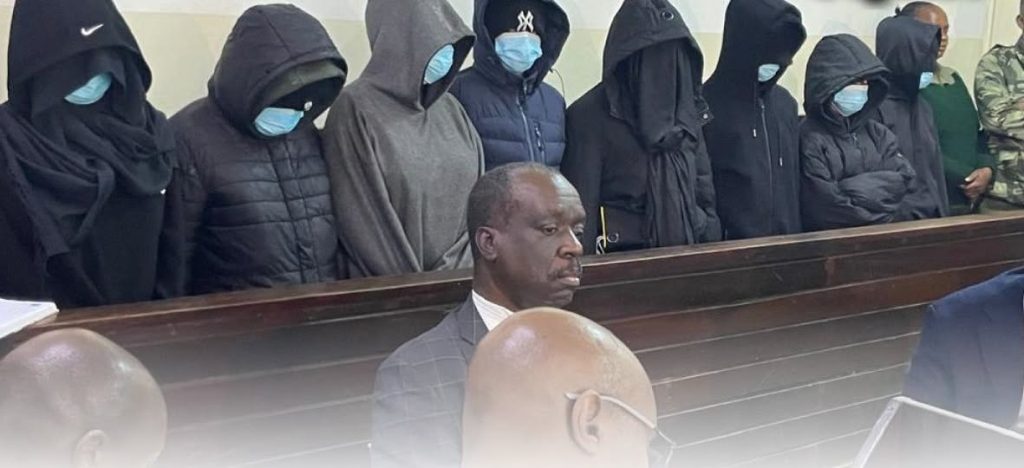
The Kibera High Court has deferred its decision on whether eight subject minors charged with 16 counts of murder over the deadly Utumishi Girls Academy dormitory fire should be released on bail, as the case enters a critical new phase.
High Court Judge Diana Kavedza issued a series of far-reaching directives after the eight minors formally pleaded not guilty to all the charges arising from the May 28, 2026, dormitory fire at the Gilgil-based school in Nakuru County. The tragedy claimed the lives of 16 students and left 79 others with injuries of varying severity, making it one of the deadliest school disasters in Kenya’s recent history.
The judge directed that the court would postpone the bail ruling until September 22, 2026, saying more time was required to obtain comprehensive social inquiry reports before determining whether the minors could be released pending trial.
Justice Kavedza noted that the gravity of the charges, the age of the accused, the trauma suffered by survivors and bereaved families, and the wider public interest required the court to receive detailed professional assessments before making a bail determination.
Pending that ruling, the eight subject minors will remain in custody at the Kabete Juvenile Remand Home, where they have been held since their arrest.The court directed probation officers and children’s officers to undertake extensive investigations into the backgrounds of all the subject minors.
The reports are expected to assess the children’s family environments, educational history, behavioural records, psychological well-being, and the level of supervision that would be available should the court eventually consider granting bail.
Justice Kavedza further ordered that the officers engage directly with the families of the 16 deceased students, survivors of the fire, parents, school administrators and members of the surrounding community.
According to the court, these consultations will help establish the social impact of the tragedy, determine whether releasing the minors could heighten tensions, and evaluate any potential risks to both the accused and the public.
The resulting reports will also provide recommendations on whether the minors can safely reintegrate into society while awaiting trial or whether continued detention remains the most appropriate option.Recognizing the psychological impact of the case on the accused children, the judge ordered that each of the subject minors undergo continuous professional counselling for the next six months.
The court observed that the children are facing extraordinary emotional stress due to the seriousness of the charges, prolonged detention and the intense public attention surrounding the case.
Justice Kavedza directed that the counselling be conducted by qualified mental health professionals to help safeguard the children’s emotional well-being and ensure they remain mentally fit to participate in the trial process.
The court further ruled that the costs of the counselling programme will be borne by the parents or legal guardians of the subject minors.The High Court also imposed stringent restrictions intended to protect the welfare and identities of the children.
Justice Kavedza prohibited the subject minors from accessing television, mobile phones and social media platforms while in state custody.
The judge explained that unrestricted exposure to media coverage and online discussions could subject the minors to cyberbullying, psychological distress and undue influence during the ongoing criminal proceedings.
The court noted that the restrictions are designed to preserve the children’s mental health while ensuring the integrity of the judicial process.In line with the constitutional protections afforded to children in conflict with the law, Justice Kavedza ordered that the suspects must only be referred to as “subject minors” throughout the proceedings.
The judge prohibited the publication or broadcast of any information that could directly or indirectly reveal their identities, including names, photographs, initials, school records or any identifying descriptions.
Media houses were reminded that violating the anonymity order could amount to contempt of court and expose offenders to legal sanctions.
A confidential court register containing the identities of the subject minors will remain accessible only to the parties involved in the proceedings.The eight subject minors face 16 counts of murder following investigations into the devastating fire that destroyed one of the dormitories at Utumishi Girls Academy on May 28.
According to investigators, forensic examinations and CCTV footage allegedly linked several students to the incident, with detectives claiming mattresses were deliberately set ablaze near one of the dormitory exits before the fire spread rapidly through the building.
Nine students were initially arrested during the investigation. However, the Office of the Director of Public Prosecutions (ODPP) later withdrew charges against one student after concluding that there was insufficient evidence linking her to the incident. She was subsequently released into the custody of her parents.
The trial was also transferred from Naivasha to the Kibera High Court in Nairobi after prosecutors cited heightened security concerns and fears that strong public emotions in Nakuru County could interfere with the administration of justice.
The case is expected to return to court on September 22, 2026, when Justice Kavedza will consider the pre-bail reports and determine whether the subject minors should remain in custody or be released on bail as the murder trial continues.