


By Mumo Judah | Kisumu County | Friday, May 29, 2026
The National Assembly’s Special Funds Accounts Committee has raised serious concerns over alleged contract variations and cost escalations in the LAPFUND Makasembo Affordable Housing Project in Kisumu, demanding full disclosure of all supporting documents used to justify changes made during construction.
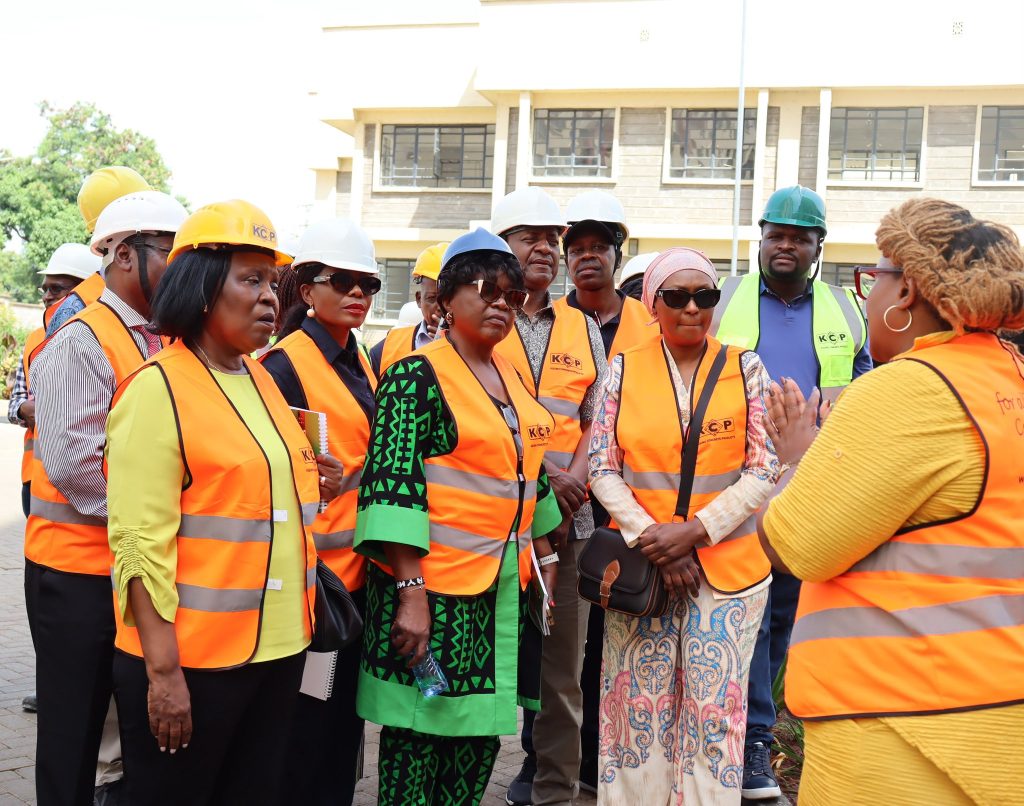
The Committee, led by Chairperson Hon. Fatuma Mohammed, conducted an oversight visit to the expansive project located at Makasembo Estate near Moi Stadium, where lawmakers inspected ongoing works, reviewed audit queries raised by the Auditor-General, and assessed whether public funds were being properly utilized.
The multi-billion-shilling development, being implemented by the Local Authorities Provident Fund (LAPFUND), sits on approximately 11.6 acres of land and is expected to deliver about 2,340 housing units upon completion. Phase One of the project has already been commissioned and includes more than 900 completed units.
During the inspection, MPs questioned project officials over a reported increase in the contract sum from about Sh6.7 billion to more than Sh7.3 billion, a variation flagged in the Auditor-General’s report as requiring further explanation and documentation.
According to audit findings, the initial contract awarded in May 2022 stood at approximately Sh6.621 billion but was later revised upward by about Sh693 million. The Auditor-General noted that the supporting documentation for the variation was insufficient, raising questions about whether proper procurement procedures and approvals were followed before the adjustments were made.
Committee members pressed project officials to explain how the additional costs were incurred and why formal authorization records were not immediately available during the audit review process.
In response, technical officials from the project team defended the variations, arguing that some adjustments stemmed from design modifications in later phases of construction, including changes intended to improve housing quality and respond to market demand. They also cited rising construction costs and adjustments in building specifications as contributing factors to the revised budget.
A Quantity Surveyor involved in the project told the Committee that part of the confusion arose from internal planning adjustments that did not necessarily translate into new financial obligations, insisting that some structural changes had been agreed earlier in the project cycle and should not be interpreted as cost overruns.
However, MPs remained unconvinced and directed LAPFUND management to submit all relevant documentation, including approval minutes, revised architectural designs, variation orders, and procurement records showing how each change was authorized.
The Committee emphasized that without proper documentation, it would be difficult to justify the reported escalation in costs, warning that public housing projects must adhere strictly to procurement laws and financial accountability standards.
During the visit, lawmakers also toured completed residential blocks and supporting infrastructure within the estate. The project features a range of amenities including a kindergarten, daycare centre, swimming pool, borehole water system, water storage facilities, and other social infrastructure aimed at supporting residents.
Officials said the housing units comprise one-bedroom, two-bedroom and three-bedroom apartments, with prices ranging between approximately Sh4.5 million and Sh6.5 million depending on size and specifications. Construction costs were estimated at about Sh60,000 per square metre.
The residential blocks, which rise up to eleven floors, are expected to be issued with sectional title deeds once beneficiaries complete the purchase process, making residents formal property owners under Kenya’s affordable housing framework.
Project representatives defended the quality of construction, stating that despite being classified under affordable housing, the Makasembo development offers improved finishing and fittings compared to similar projects across the country.
The Committee said it will continue reviewing the submitted documentation before issuing final recommendations on audit queries raised by the Auditor-General, as scrutiny of the project’s financial management continues.
The oversight exercise forms part of Parliament’s broader push to ensure transparency and accountability in public-funded housing developments amid growing national investment in affordable housing programmes.